Is your Newton Centre home telling the right story the moment buyers click your listing? In a premium, fast-moving village market, presentation is often the edge that wins attention and stronger offers. You want a plan that respects historic character, delivers a polished luxury feel, and keeps costs in check. In this guide, you’ll learn what to stage first, how to tailor choices to Newton Centre architecture and lifestyle, and where to invest for the biggest impact.
Let’s dive in.
Why staging moves Newton Centre homes
Staging is more than décor. It helps buyers visualize living in your home and reduces perceived risk. In national surveys, agents report that staging often shortens time on market and can increase offer amounts, with the living room, primary bedroom, and kitchen carrying the most influence for buyers. You can see these trends in the National Association of Realtors’ findings on how staging boosts prices and speeds sales. NAR’s staging report highlights these benefits.
The most recommended pre-listing steps are simple and cost-effective: declutter, deep clean, make minor repairs, and refresh paint where needed. NAR’s staging guidance repeatedly lists these as high-value basics. In Newton Centre’s price tier, these fundamentals set the stage for professional photos and a targeted staging plan that elevates your home above competing listings.
Stage to the village market
Highlight character, deliver function
Many Newton Centre homes feature period architecture in and around historic districts, including Queen Anne and Colonial Revival details. Buyers here prize original millwork, mantels, and built-ins. Keep the focus on character while showing modern comfort. The Sumner and Gibbs Streets Historic District offers a window into the area’s architectural pedigree.
- Reveal, don’t remove. Repair and showcase original trim, mantels, and built-ins. Avoid covering unique features with heavy window treatments or oversized furniture.
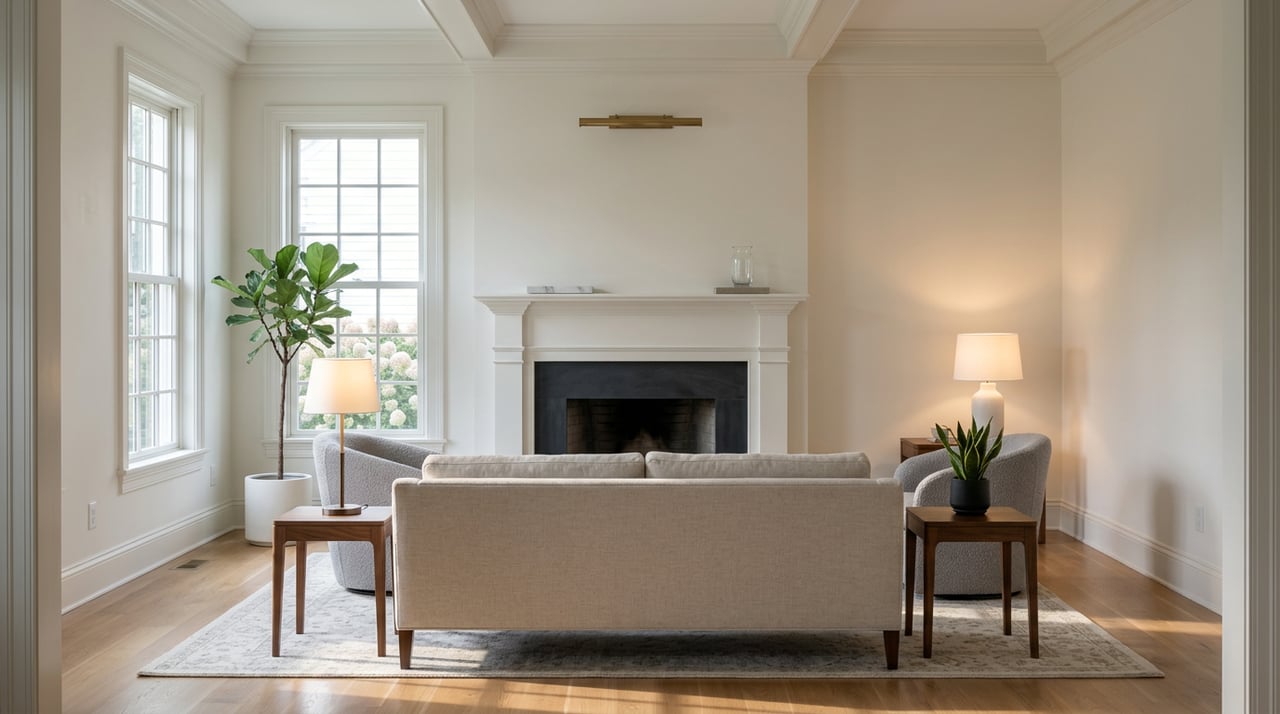
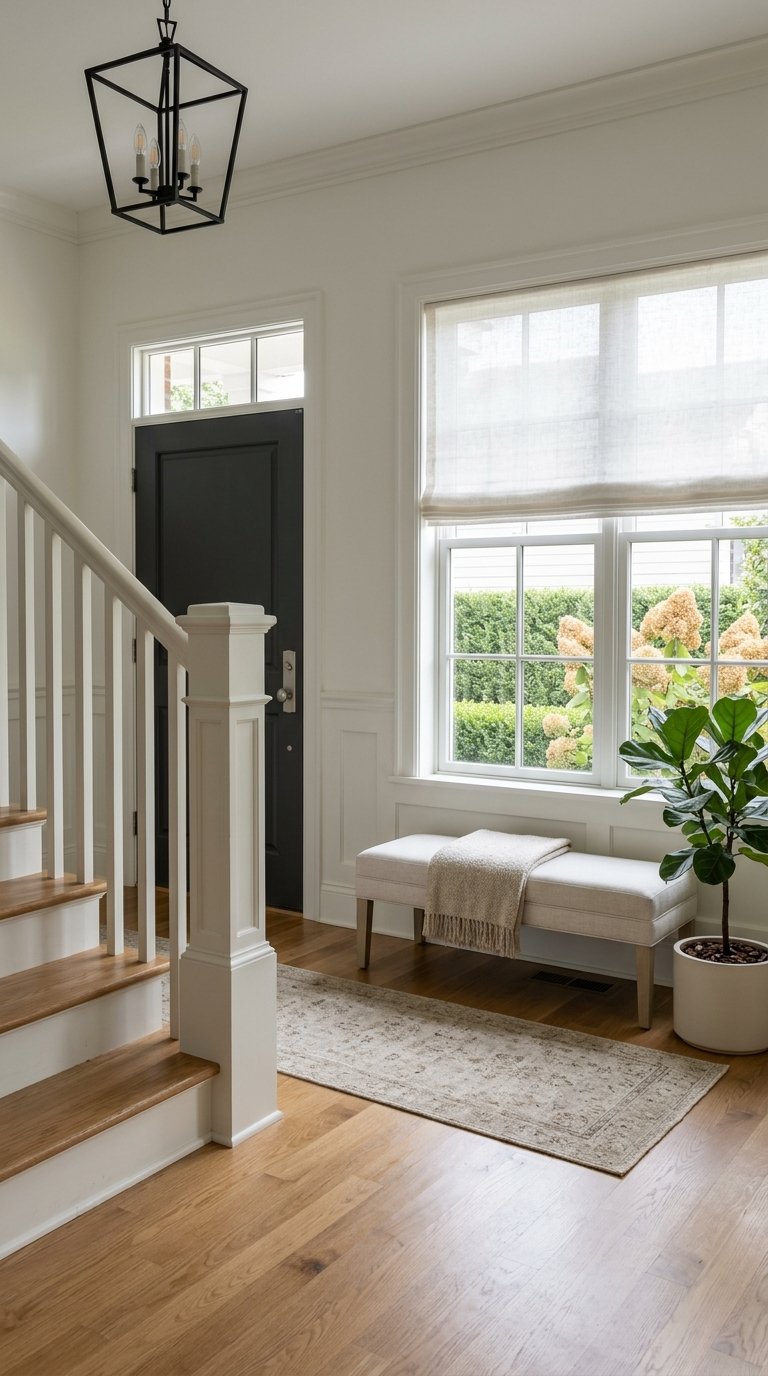
- Neutralize walls to let details pop. Warm off-whites and soft greige make millwork read as an asset, not visual noise. Painting is a top agent recommendation before listing.
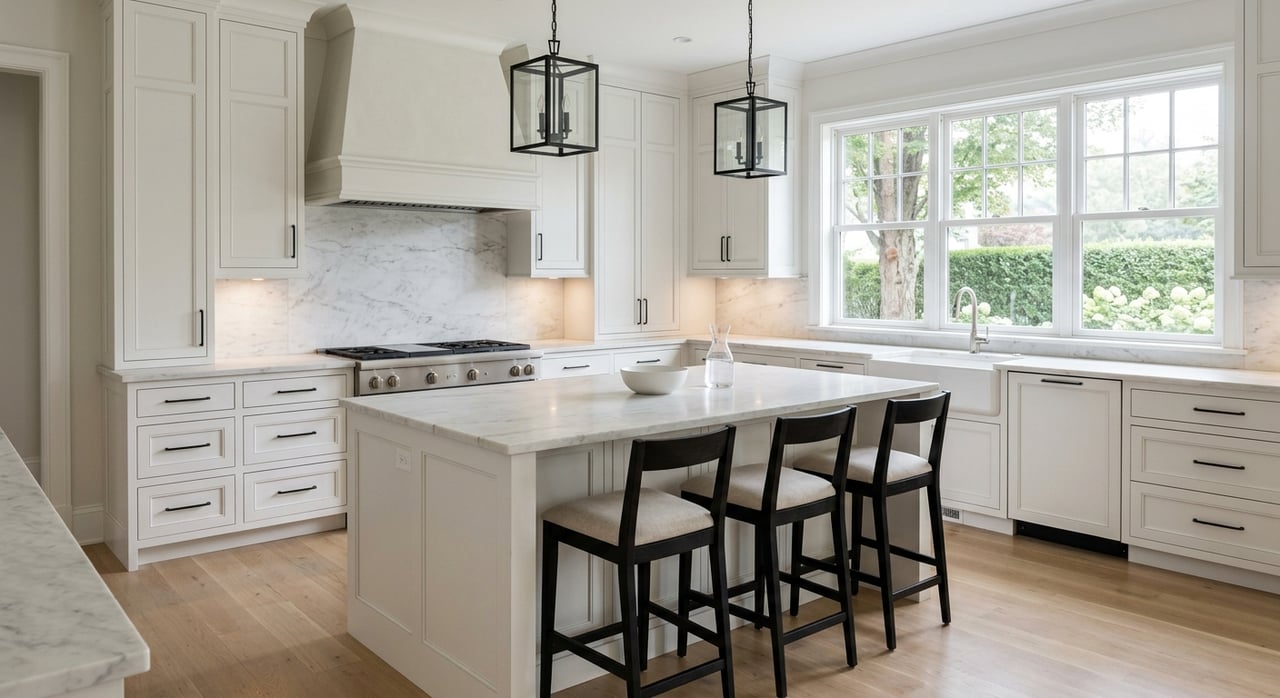
- Modernize where it counts. Kitchens and baths sell homes. Affordable updates like new lighting, hardware, and fresh grout go a long way. For older systems and roofs, gather receipts and dates so buyers see the home is cared for. Explore more historic-home selling tips in this practical guide.
Elevate luxury moments
In the upper tier, scale and curation matter. The right mix of furniture, art, and lighting signals quality.
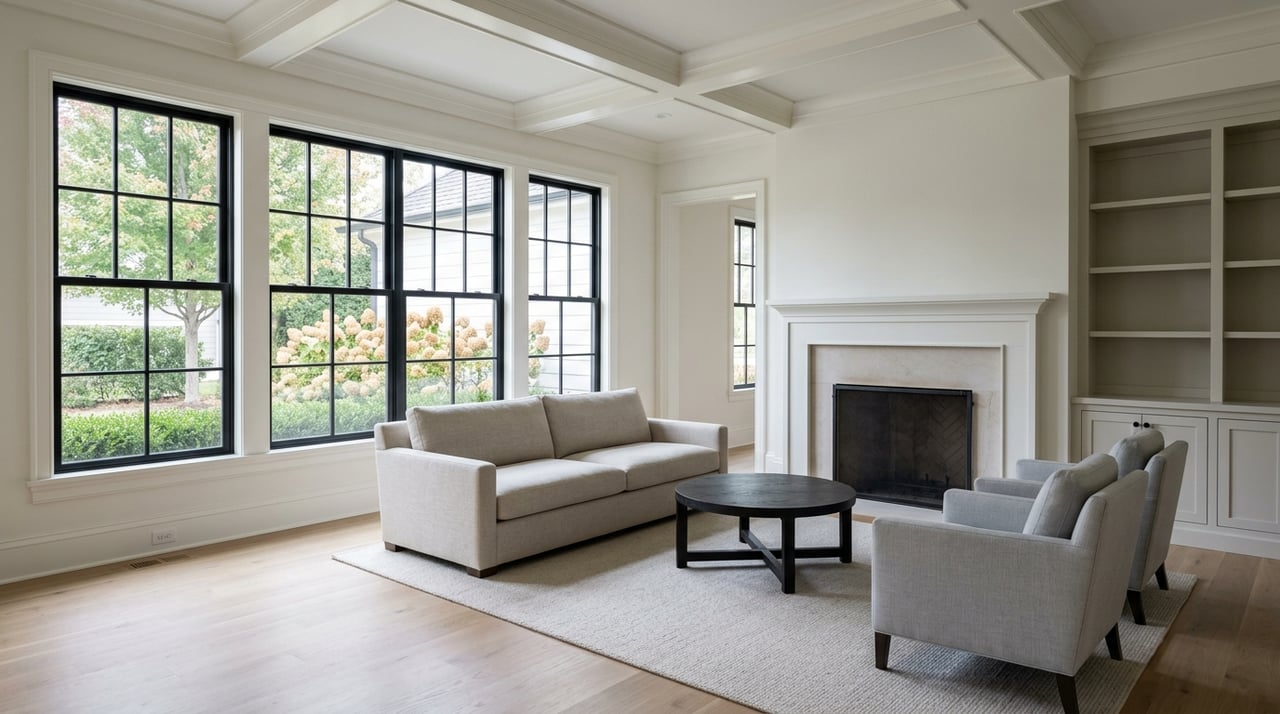
- Stage key rooms at a higher level. Prioritize the living room, kitchen, primary suite, and main entertaining areas with well-scaled seating, layered textiles, and statement art.
- Light the architecture. Combine recessed lighting, sconces, and lamps to highlight molding and built-ins. This photographs beautifully and sets a welcoming tone for evening showings.
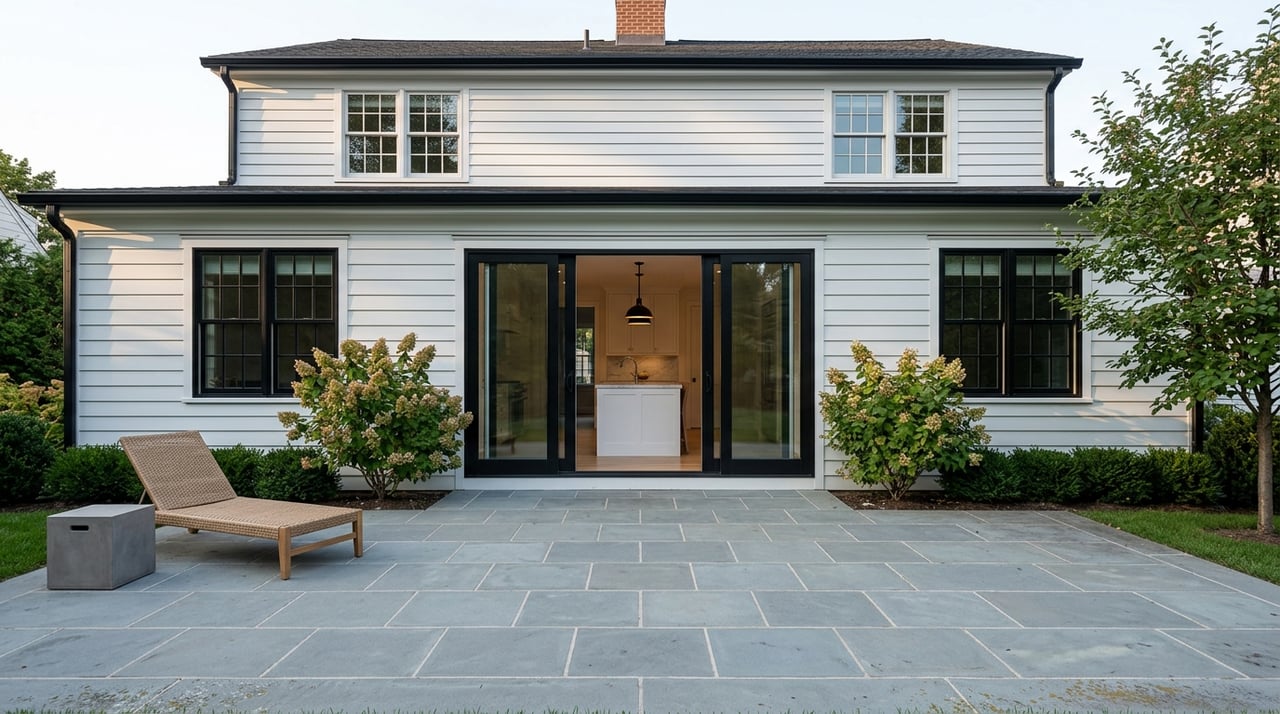
- Extend the lifestyle outdoors. Dress patios and gardens so buyers can imagine hosting. Luxury staging pros distinguish between DIY décor and true, curated presentation. See how elevated staging changes perception in this luxury staging overview.
Small homes and condos that live large
If you are selling a smaller village home or condo, your goal is airiness and flexible function.
- Edit furniture to emphasize flow. Use mirrors and light textiles to boost brightness and perceived space.
- Stage a dedicated home office. Remote and hybrid work remain common, and a quiet, practical workspace resonates with many buyers. See more about current buyer preferences in this note on homebuying trends.
First impressions on the street
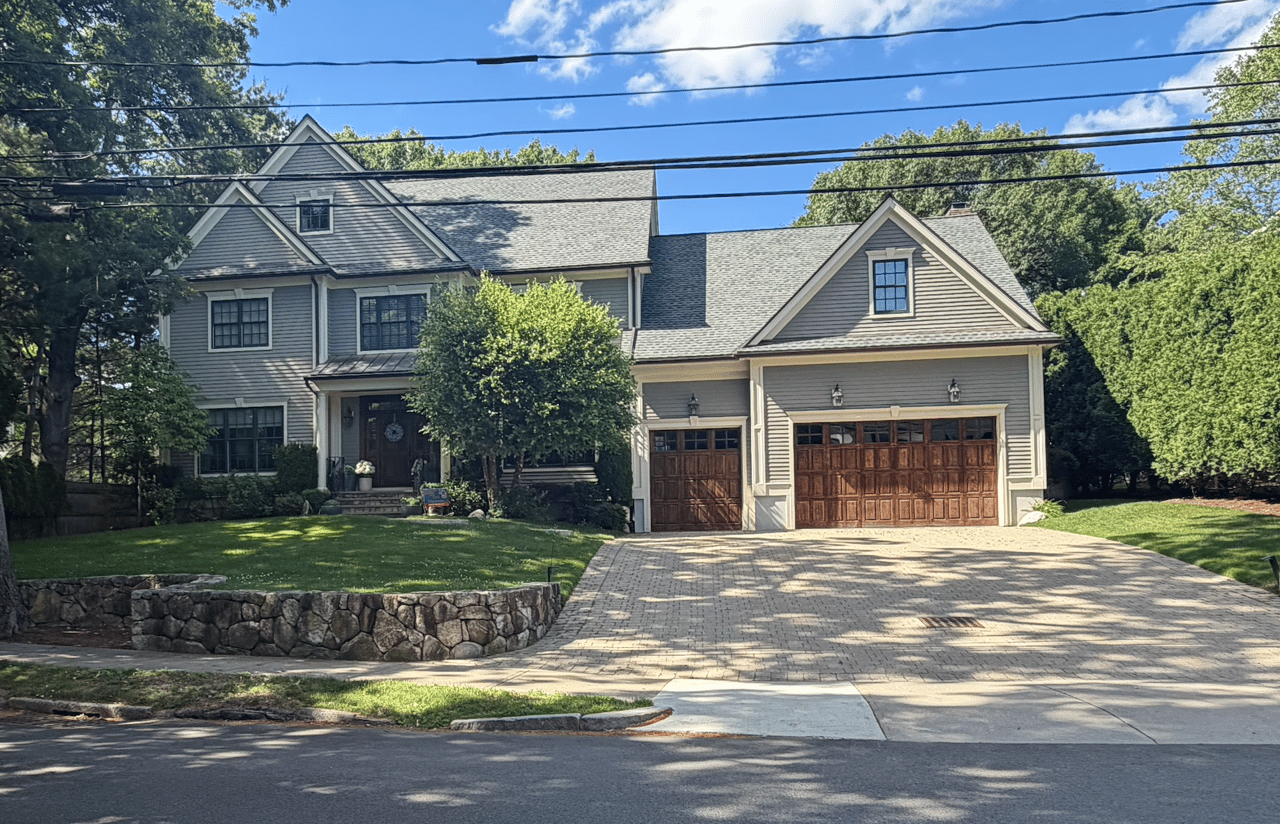
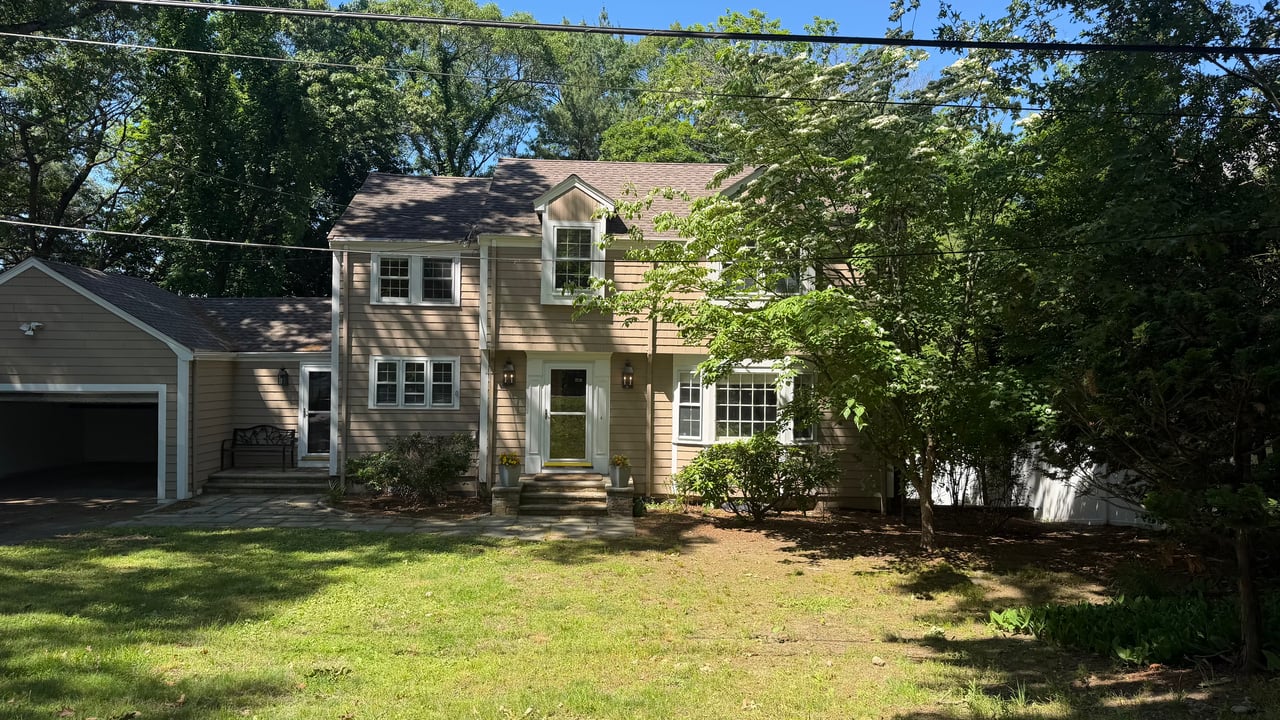
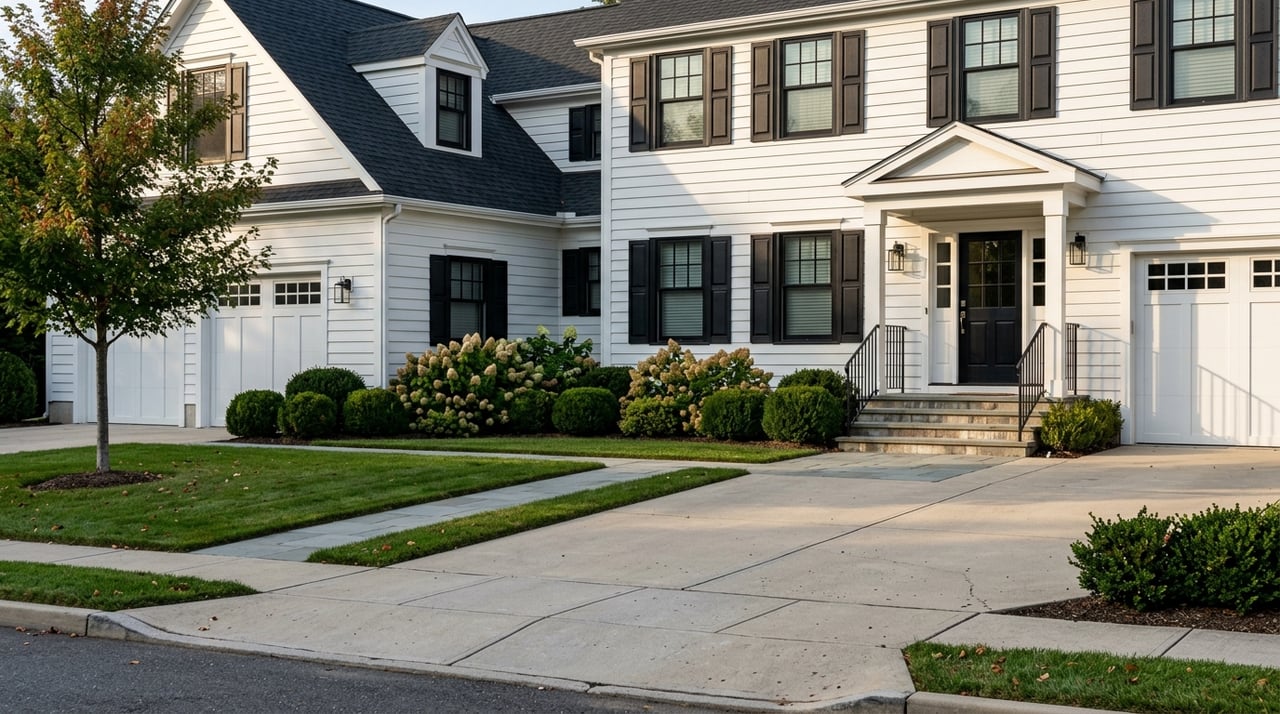
Buyers often see your home first while walking to the village, parking near the MBTA Green Line D Branch stop at Newton Centre, or scrolling through the main exterior photo online. Invest where eyes land first.
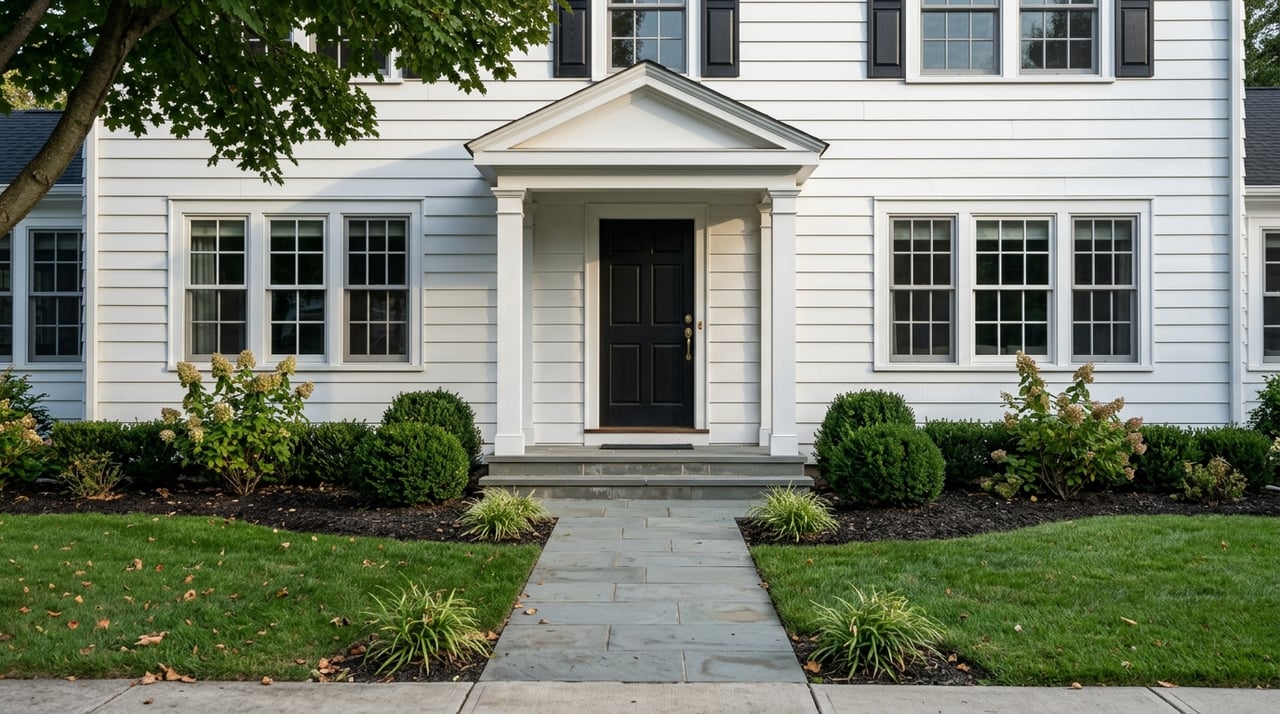
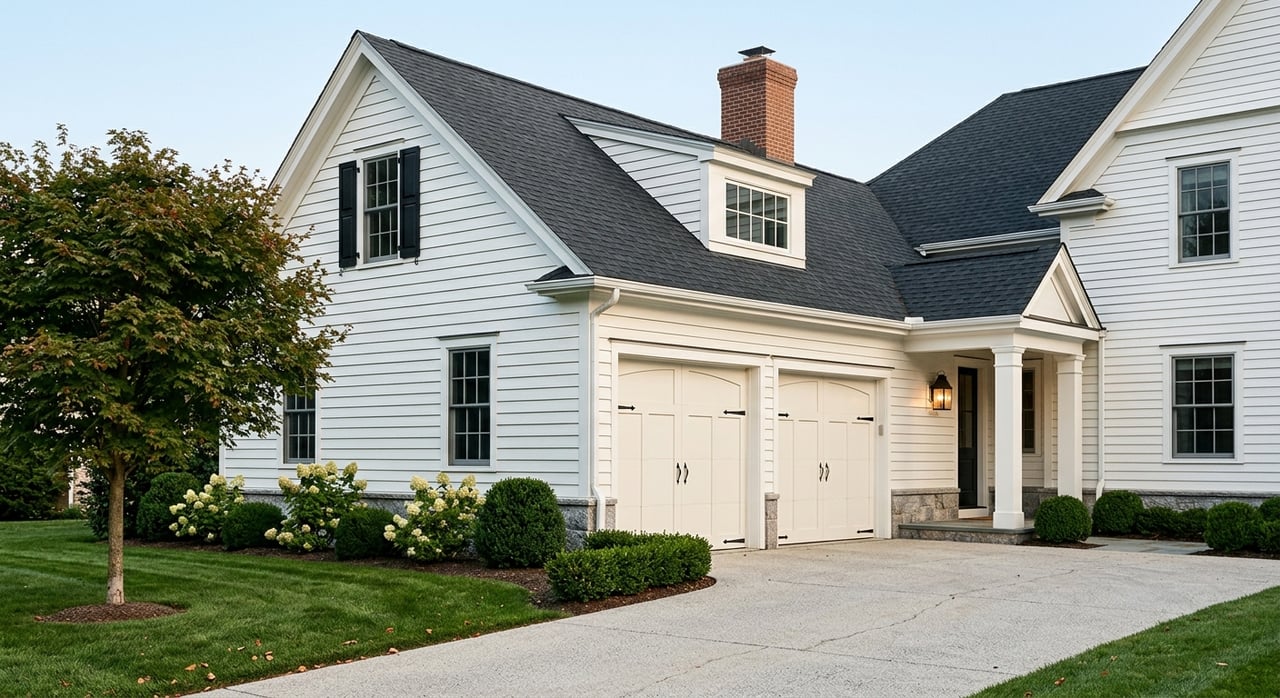
- Refresh the front door with paint and new hardware. Clean or update entry lighting and tidy the stoop.
- Tidy landscaping. Fresh mulch, trimmed shrubs, and seasonal planters read well in photos and show care. Landscaping appears frequently in agent-recommended pre-list steps.
- Frame the village lifestyle. In photos and video, include glimpses of nearby green space, Crystal Lake, and the walk to shops and dining.
Win online before showings
Most buyers meet your home on their phone. Sharp media multiplies your reach.
- Hire a professional real estate photographer. Interiors need balanced lighting and careful composition. Twilight exteriors can add a polished, editorial feel.
- Add a 3D or digital walkthrough for upper-tier homes and out-of-area buyers. These tours increase engagement and help serious buyers preview your home quickly. Learn more about multimedia’s role in modern listings from Matterport’s real estate marketing resources.
- Use virtual staging for vacant rooms in photos when needed. Always disclose per MLS rules, and rely on physical staging for in-person showings to maintain impact.
Your Newton Centre staging plan
Quick wins this week
These steps are affordable, fast, and high impact.
- Declutter and depersonalize. Clear surfaces, edit closets, and remove bulky pieces to open sightlines. NAR’s guidance places this at the top of the list.
- Deep clean and address minor repairs. Clean windows and carpets, replace tired caulk, and fix sticking doors.
- Repaint bold or dated walls in warm neutrals. This creates visual calm and photographs brighter.
- Upgrade bulbs to warmer, higher-output LEDs and add lamps to dark corners.
- Book professional photos after staging is complete. Consider a 3D tour for added reach, as outlined in Matterport’s marketing overview.
Estimated investment: 0 to 2 weeks, roughly 0 to 1,500 dollars depending on scope and whether you hire help.
Targeted upgrades that sell
Focus on rooms that sway decisions: living room, primary bedroom, and kitchen.
- Partial staging with select rentals. In many cases, occupied-home styling with a few high-impact pieces runs about 1,500 to 4,000 dollars depending on size and vendor. See typical national ranges in this staging cost guide.
- Kitchen and bath refresh. New hardware, modern lighting, and grout touchups can refresh the look without a full remodel.
- Entry and landscaping tune-up. Small changes at the curb show up in every buyer’s first impression. For additional ideas, review this quick primer on high-impact staging steps.
Estimated investment: 1 to 3 weeks, roughly 1,500 to 6,000 dollars depending on selections.
When full luxury staging pays off
For vacant or larger luxury properties, full staging delivers scale, lifestyle, and coherence from room to room.
- Vacant staging typically includes furniture rental and installation, with the first month often in the low thousands up to the mid teens depending on inventory quality and square footage. See common ranges in HomeLight’s national cost summary.
- White-glove luxury staging can incorporate bespoke furniture, statement lighting, and curated art to match Newton Centre’s upper price bracket. For what sets elevated staging apart, explore this luxury staging breakdown.
Estimated investment: 2 to 4 weeks, 5,000 to 30,000 dollars or more depending on level and property size.
Pricing, timing, and logistics
- Choose pros with the right portfolio. Ask stagers for before-and-after examples of period homes and village properties. Confirm insurance and inventory quality for vacant installs.
- Sequence your timeline. Complete staging before photography and any 3D capture so your media reflects the finished presentation.
- For historic exteriors, check any local guidelines before exterior changes, and document known restrictions or easements in your listing materials. For seller tips specific to older homes, see this historic-home selling guide.
- Pair pricing with presentation. Listings often get the most attention in the first days live. Align your pricing strategy with the launch of polished staging and pro media to maximize early momentum.
What success looks like
Agent surveys show a consistent pattern. Staging the right rooms often reduces days on market and can lift offers by a modest 1 to 10 percent according to NAR’s findings. Industry cost studies also show that staged homes tend to sell faster and can net more than comparable unstaged properties, though results vary by home and market segment. In Newton Centre’s premium tier, that combination of speed and strong presentation helps your listing stand out where buyers compare details closely.
Ready to tailor a staging plan to your home and timeline? As a local, accredited staging professional and Newton Centre specialist, I coordinate the entire process for you, from edit-and-refresh to white-glove installs and high-end media. If you are weighing next steps, request a complimentary home valuation with Valerie Wastcoat.
FAQs
What rooms should I stage first in a Newton Centre home?
- Start with the living room, primary bedroom, and kitchen. Agent surveys cited by NAR show these spaces most influence buyer decisions.
How much does professional staging typically cost near Newton Centre?
- National midpoints for partial staging often run 1,500 to 4,000 dollars, while full vacant staging can start in the low thousands and climb with size and quality. See ranges in this cost guide.
Do I need full staging for a vacant luxury property?
- In upper-tier listings, full staging usually pays off by showing scale, flow, and lifestyle that photos alone cannot convey. A curated, luxury-level install can strengthen perceived value, as discussed in this luxury staging overview.
How do I balance historic details with updates when selling?
- Preserve and spotlight original features while modernizing key rooms for function. Use warm neutral paint, edit heavy décor, and focus budget on kitchen and bath refreshes. See tips in this historic-home guide.
Do 3D tours really help in the Newton Centre market?
- Yes. High-quality photos plus a 3D tour can lift online engagement and help out-of-area buyers pre-qualify themselves, which can shorten time to serious showings. Learn more in Matterport’s resources.