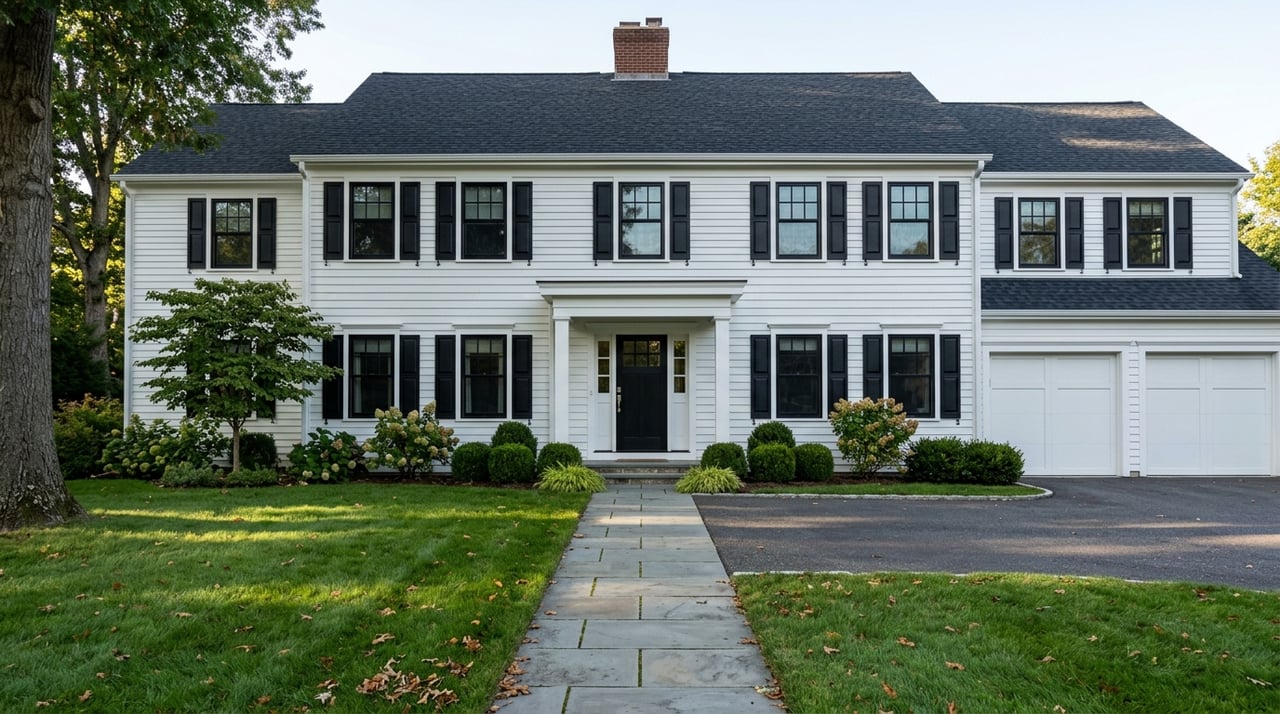
Wellesley MA Relocation Guide to Neighborhoods & Lifestyle
Relocating to Wellesley often means balancing a lot at once: commute options, housing style, price range, and how daily life might feel once you are settled in. If you are trying to figure out which part of town best fits your needs, a village-by-village view can make the search much clearer. This guide walks you through how Wellesley is commonly organized, what buyers can expect in different areas, and how to think about fit before you make a move. Let’s dive in.
Wellesley is usually described by village and neighborhood names rather than by formal municipal subareas. The Town identifies Wellesley Square, Wellesley Hills, the Fells area, and Linden Square as core commercial villages, while planning and housing materials also reference areas such as Dana Hall, Cliff Estates, Wellesley Farms, Poets Corner, College Heights, Country Club, Lower Falls, Standish Estates, and Sheridan Estates. You can see that framing in the Town’s economic development materials.
For buyers, that means your home search will often be shaped by village identity, access patterns, and price point more than by official district boundaries. In practical terms, Wellesley Square and Linden Square tend to stand out for village-center convenience, Wellesley Hills and Wellesley Farms are often top choices for commuter rail access, and Cliff Estates sits at the top of the luxury market. That overview reflects town maps, transit patterns, and current pricing snapshots.
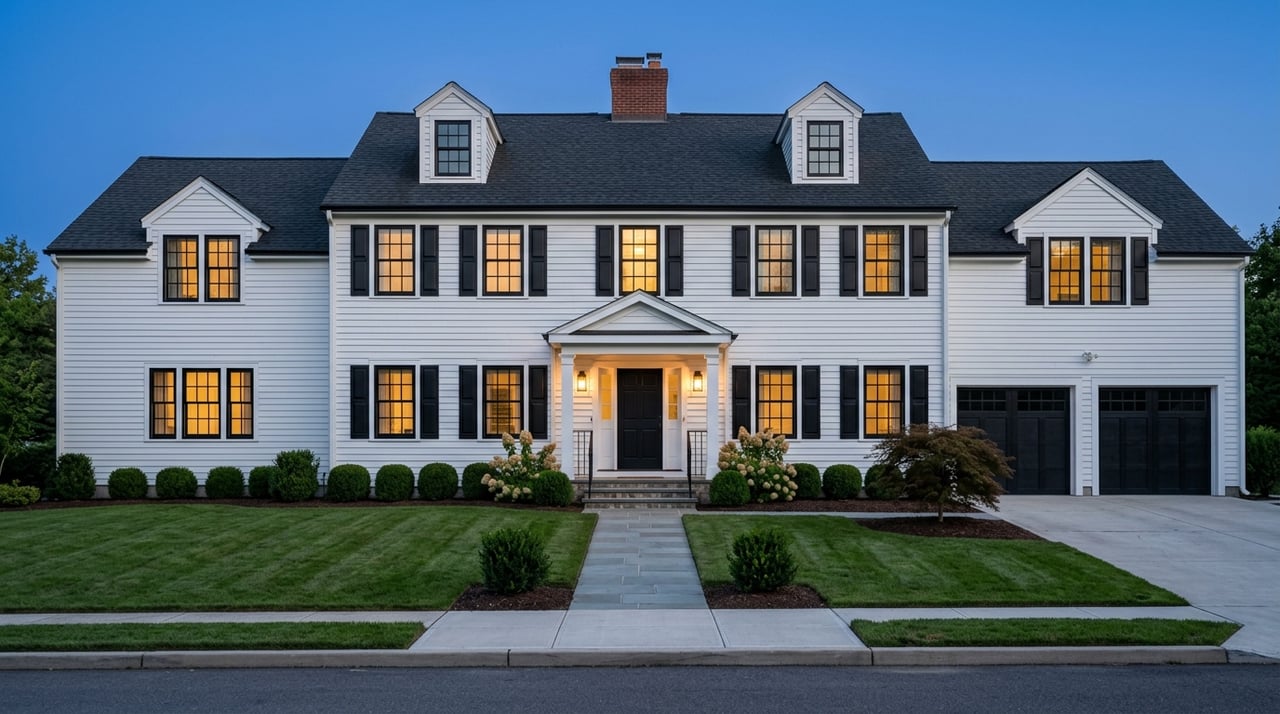
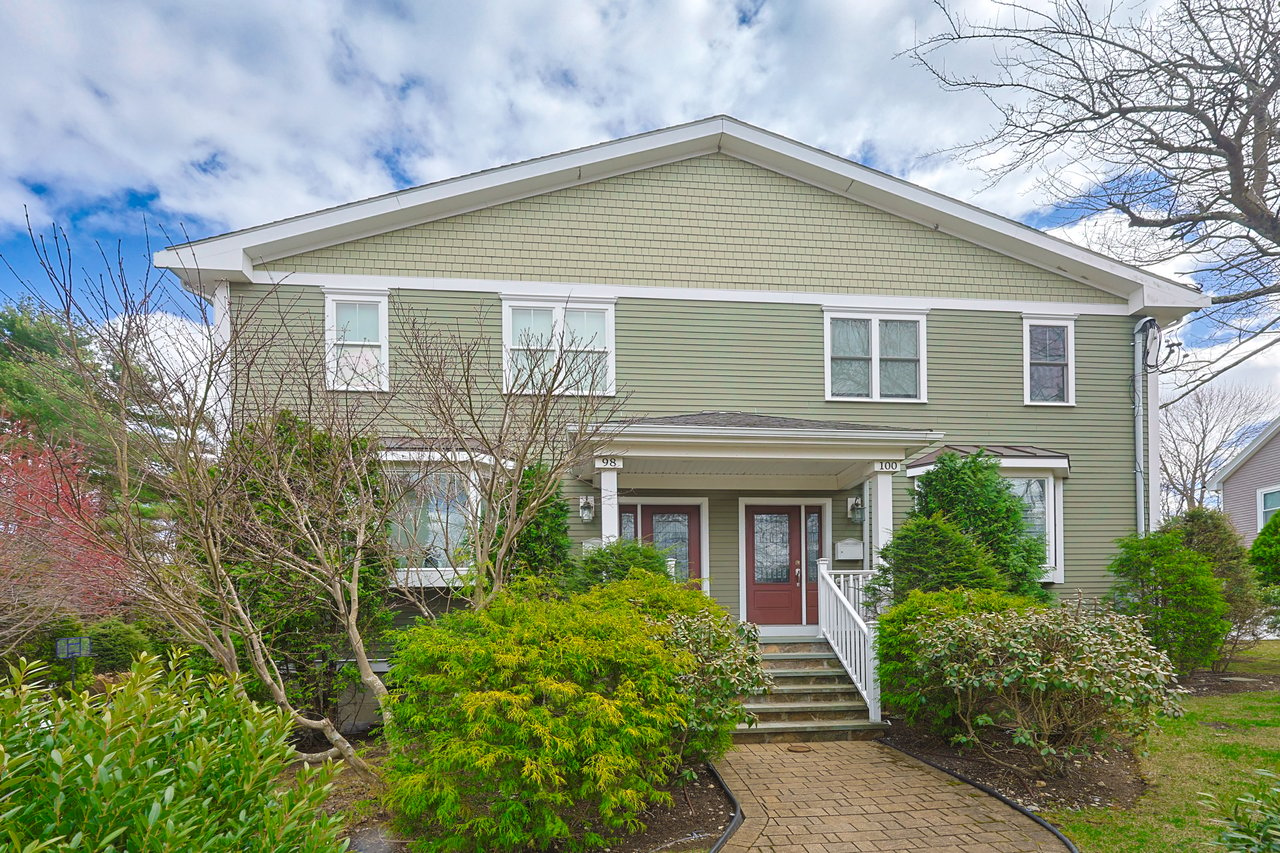
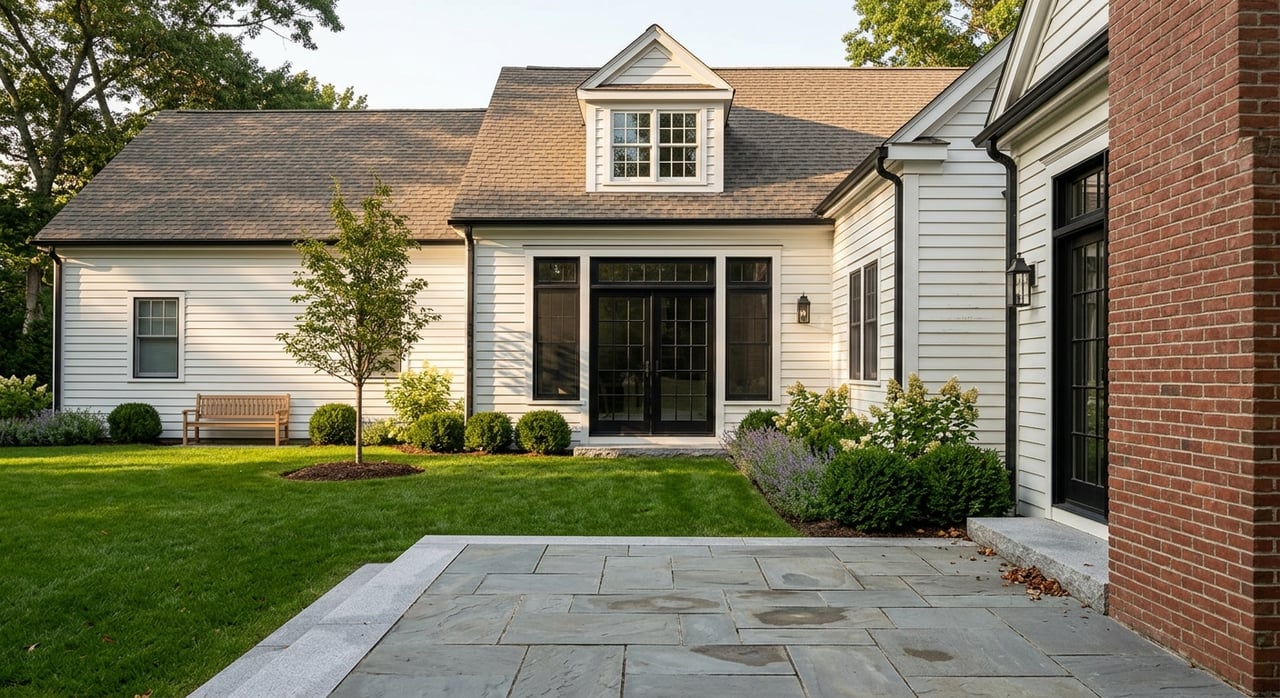
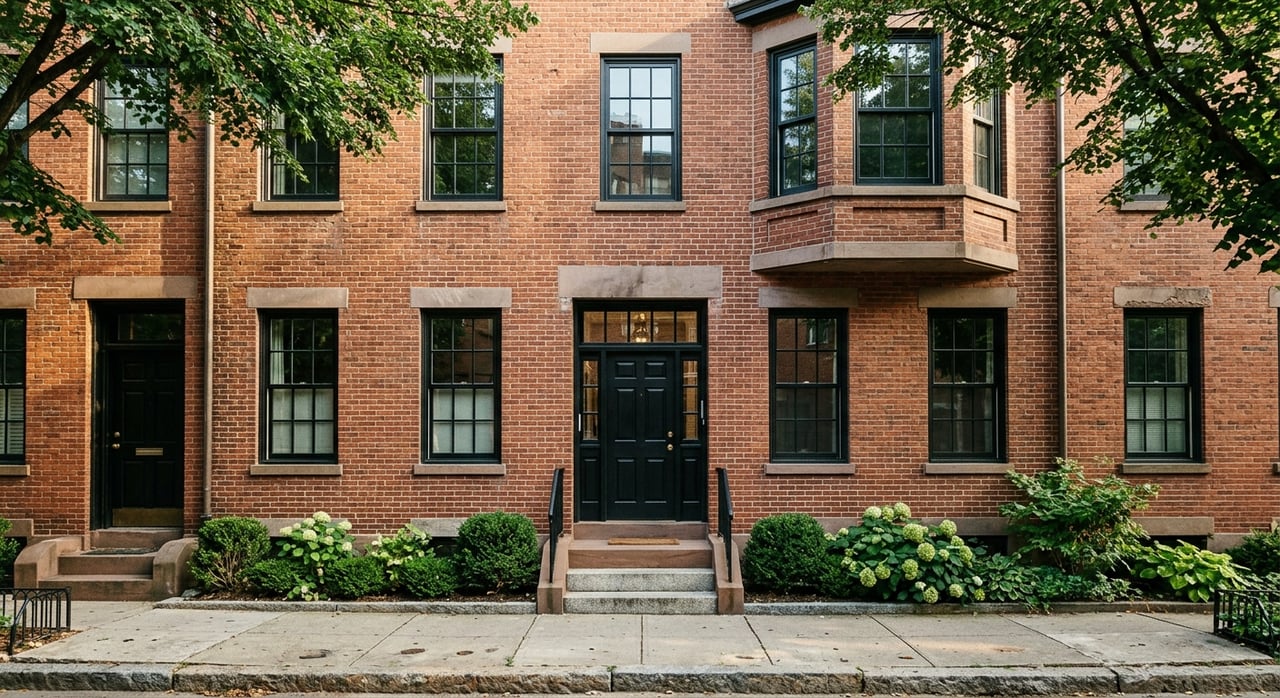
Wellesley is still primarily a single-family market. Town planning documents state that about 82% of the housing stock is single-family, and a separate housing plan says 94% of homeowners live in detached single-family homes. The Town’s planning documents also show that attached and multi-unit housing exists, but it is limited and tends to be concentrated closer to village centers and transit corridors, according to the town housing and planning materials.
That matters if you are relocating from a city or denser suburb. In Wellesley, detached homes are the norm, so buyers looking for condos, townhomes, or other lower-maintenance options should expect fewer choices and a more targeted search. In exchange, many buyers are drawn to the consistency of the housing stock and the town’s long-term planning approach.
Price expectations are also important to set early. Town planning materials describe the median single-family home price at about $2.2 million, while Realtor.com’s January 2026 citywide snapshot puts Wellesley’s median home sale price at $2,795,000 and describes the market as warm. That places Wellesley above Newton and Needham in the same Realtor.com comparison set, which can be useful if you are weighing nearby towns as part of a relocation decision.
No two buyers define value the same way. Some want to be close to shops and daily errands, while others prioritize rail access or are focused on finding a detached home in a specific price band. Below is a practical look at several Wellesley areas using the pricing and location context available in the research.
Wellesley Square is one of the town’s most recognized village centers and is often a natural starting point for relocating buyers who want a central feel. Recent Realtor.com snapshots place the area around $1.50 million, with very limited active inventory, according to the Wellesley Square neighborhood overview.
If you want a location tied closely to a commercial village and everyday convenience, this area is often worth watching. Limited inventory can mean fewer opportunities at any given time, so buyers may need to act quickly when the right home appears.
Linden Square is another village-centered option that often appeals to buyers seeking local convenience and a more connected daily routine. Recent snapshots place pricing at roughly $1.50 million to $1.65 million, based on the Linden Square market overview.
From a lifestyle standpoint, Linden Square often comes up in searches for walkability and access to daily needs. For relocating buyers, it can be a useful area to compare directly with Wellesley Square if village access is high on your list.
Wellesley Hills is often one of the first areas buyers explore when commuter rail access matters. The town identifies Wellesley Hills as one of its rail station locations, and recent Realtor.com snapshots place the market roughly between $2.8 million and $3.4 million, based on the Wellesley Hills market data.
This area can be a strong fit if you want a detached home and value a station-oriented location. It also sits in a higher price tier, so it is usually best suited to buyers who are prepared for a premium segment of the market.
Wellesley Farms is also tied to one of Wellesley’s commuter rail stations, making it a key area for buyers thinking about rail-based access into Boston. A late-2025 Realtor.com snapshot places Wellesley Farms at about $2.3 million, according to the Wellesley Farms overview.
For some relocating buyers, Wellesley Farms can feel like a middle ground between transit access and a more residential setting. If you are comparing station areas, this is one to keep on your shortlist.
Dana Hall can be appealing to buyers who want a more central location but are trying to stay below the price points seen in Wellesley’s highest-end areas. Recent snapshots place the neighborhood around $1.8 million, with a 57-day median market time in the December 2025 view, based on the Dana Hall overview.
For relocation buyers, that market time can suggest a bit more breathing room than in tighter inventory pockets, though timing can always change. It is a neighborhood worth considering if you want central access without stretching into the top luxury tier.
The Fells area is another option often viewed as more attainable than the town’s most expensive neighborhoods, while still keeping you in a well-located part of Wellesley. Recent snapshots place this area around $1.6 million, using the market context referenced in the research report.
If you are trying to enter Wellesley at a lower price point relative to the townwide median, the Fells may be worth a close look. As always, individual home condition, lot size, and location within the area will shape actual value.
Cliff Estates sits clearly in Wellesley’s luxury tier. Recent Realtor.com snapshots place the area around $4.5 million, according to the Cliff Estates overview.
If your search is focused on estate-style housing and the upper end of the market, Cliff Estates is likely to be on your radar. This is a distinct price category from the village-centered and mid-tier options discussed above.
For many relocating buyers, commute planning shapes the neighborhood search as much as housing style does. Wellesley has three MBTA commuter rail stations on the Framingham/Worcester line: Wellesley Square, Wellesley Hills, and Wellesley Farms. The Town notes that this line provides daily service to and from Boston on its commuter and regional rail page.
Beyond commuter rail, Wellesley also offers non-car options that can matter for local mobility. The Town states that MWRTA Route 1 runs along Route 9 through Wellesley Square, Babson College, MassBay, Lower Falls, and on to Woodland, while Catch Connect links Wellesley with destinations including Woodland, Waban, Newton-Wellesley Hospital, Natick Community Center, and Needham Heights, according to the bus, shuttle, and paratransit services page.
That said, Wellesley is still largely car-forward. The 2025 Safe Routes Plan reports that 49% of workers drove alone, 11% walked, 6% used public transit, and 28% worked from home. The same plan identifies Wellesley Square, Linden Square, Wellesley Hills, and Lower Falls as key trip generators and highlights Route 9, Route 16, Central Street/Great Plain Avenue, and I-95 as major travel corridors in the Townwide Safe Routes Plan.
If schools are part of your relocation checklist, start with verified district information and then confirm address-specific assignment. Wellesley Public Schools includes six elementary schools, one middle school, and one high school, and the district reports 3,832 students for 2025-26 along with a 98.5% graduation rate for the Class of 2025, according to the district’s at-a-glance page.
The key point for buyers is that elementary assignment is address-based. District registration materials direct families to neighborhood school placement and an elementary school lookup tool, so it is smart to verify the exact assignment before making an offer using the district’s registration guidance.
It is also wise to think beyond school assignment and into property planning. In some older parts of town, historic-district and neighborhood-conservation overlays can affect exterior changes, additions, or rebuild plans. The Town explains those review tools on its historic districts page.
A simple way to narrow your search is to match your top priority to the part of town that best supports it. You do not need to know every neighborhood name at the start. You just need a clear sense of how you want daily life to work.
Here is a practical way to think about fit:
Wellesley is not a one-size-fits-all town, and that is exactly why local guidance matters. The right fit often comes down to how price, housing type, commute, and day-to-day convenience line up for you. If you are planning a move and want help comparing Wellesley with nearby towns or narrowing the right neighborhood match, connect with Valerie Wastcoat for thoughtful, local guidance tailored to your goals.
If you’re looking for a dynamic approach to real estate from a top-performing, knowledgeable agent who truly goes above and beyond for clients, look no further. I will work side by side with you, navigating current market conditions and guiding you every step of the way.