Waban Home Architecture: Styles That Shape Value
If you have ever driven through Waban and felt like the homes tell a story block by block, you are not imagining it. This village has a layered architectural character shaped by rail-driven growth, large subdivided lots, and decades of thoughtful residential development. If you are buying, selling, or updating a home here, understanding those styles can help you better read value, renovation potential, and neighborhood appeal. Let’s dive in.
Waban was still largely farmland in the 1870s, but that changed quickly after the Highland Branch opened in 1886. According to the City of Newton, the rail connection accelerated development, attracted commuters, and led to the creation of new streets and house lots.
That history still shows up in the neighborhood today. Instead of a uniform subdivision, Waban developed as a cohesive residential area with winding streets and large, spacious lots. The result is a village where homes often feel distinct from one another while still fitting naturally into the broader streetscape.
Historic Newton notes that Waban includes everything from 18th-century farmhouses and a Greek Revival building to Colonial Revival, Queen Anne, Shingle, and early-20th-century Craftsman homes. That mix is a big part of what gives Waban its long-standing appeal.
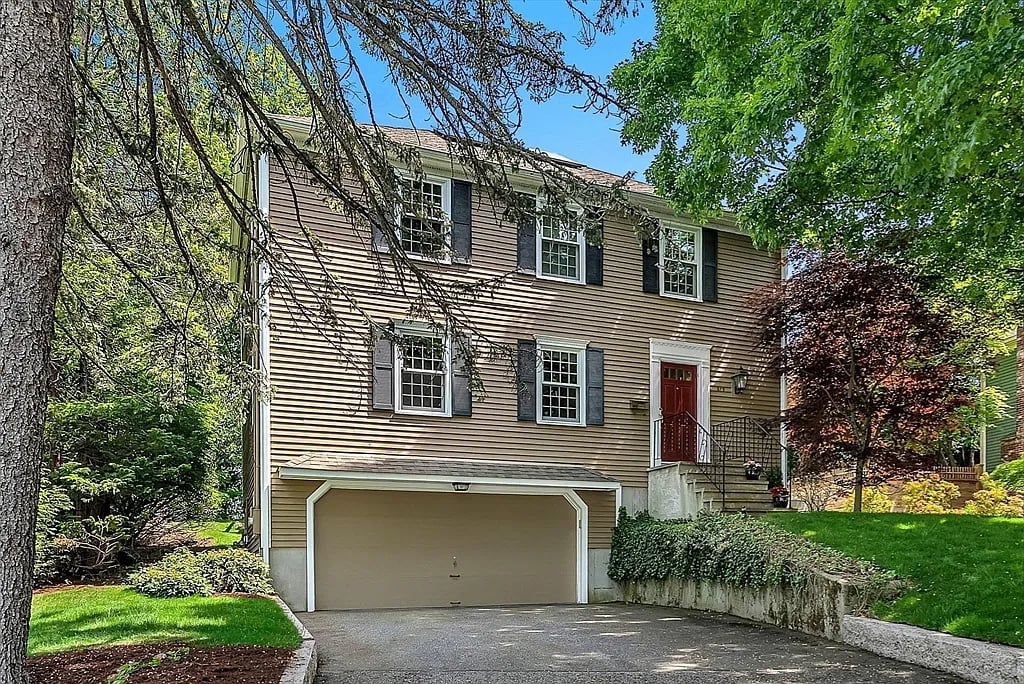
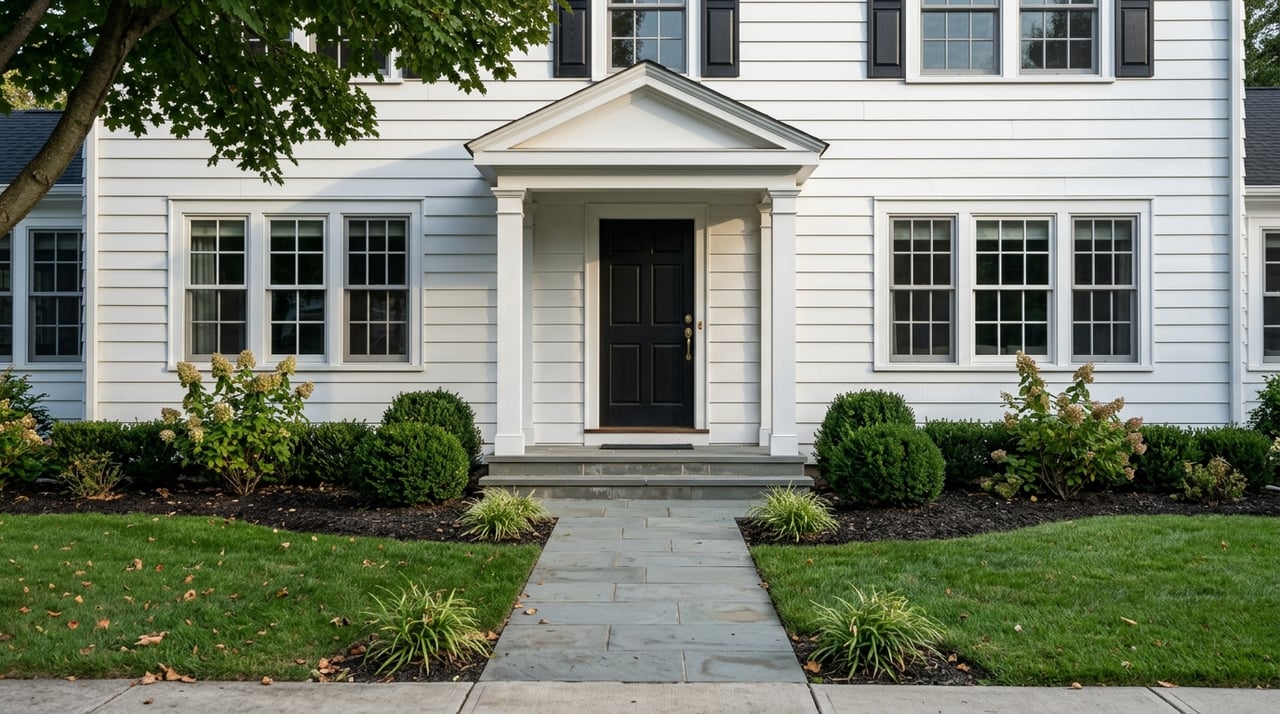
One of the most recognizable looks in Waban is Colonial Revival, often with Georgian influence. Newton’s architectural guide describes these homes as typically 1 to 2.5 stories with centered entries, multi-pane windows, and gable, hipped, or gambrel roofs.
These homes usually feel balanced and formal from the street. You will often see symmetrical front elevations and center-hall layouts, which tend to create a timeless look that many buyers still gravitate toward.
From a practical standpoint, this style can also be flexible. Because the front elevation is often orderly and composed, later additions may fit more naturally at the rear or side when they are designed with care and with the home’s overall form in mind.
Buyers often respond to the sense of proportion in these houses. The windows, rooflines, and entry placement tend to create a polished first impression that reads as both traditional and adaptable.
For sellers, that means presentation matters. When original trim, roof shape, and front entry details remain intact, they often help reinforce the architectural identity that makes these homes stand out in Waban.
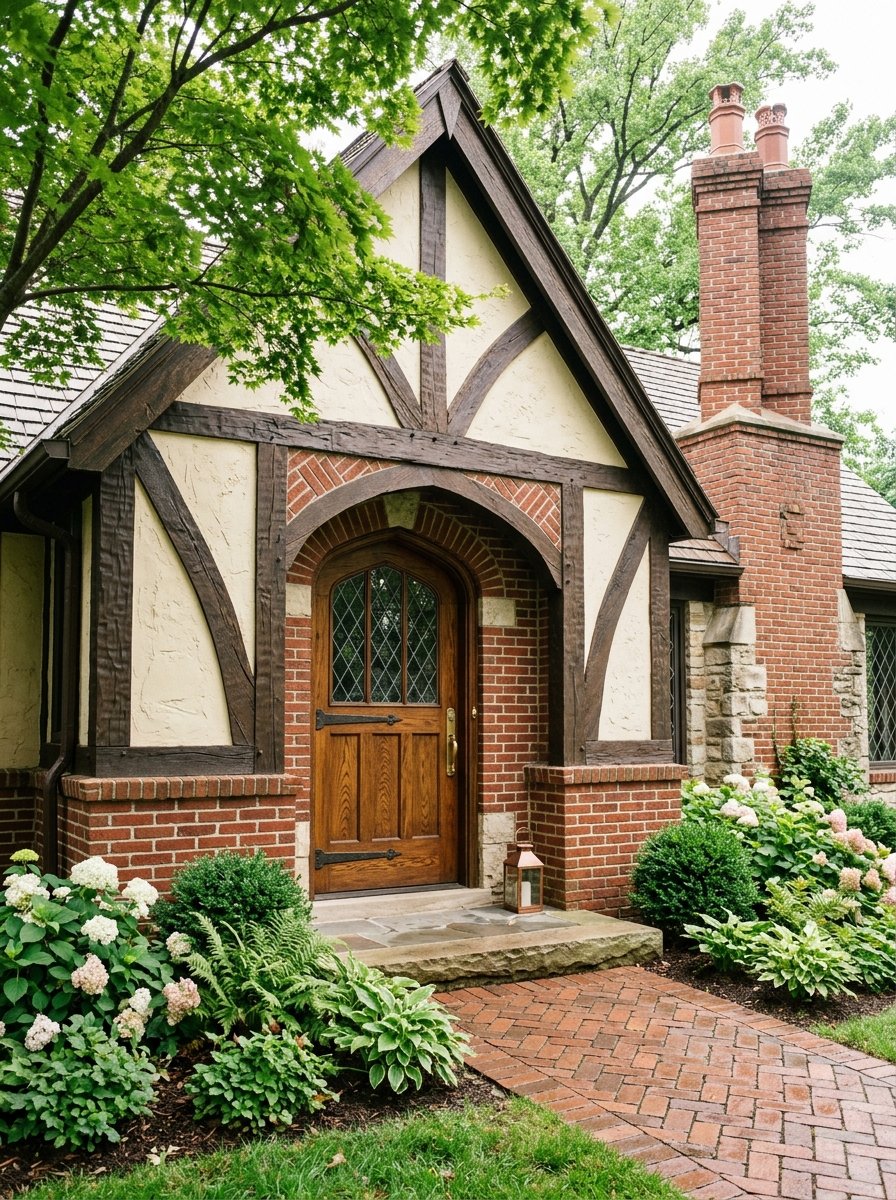
Tudor and Medieval Revival homes are also an important part of Waban’s architectural mix. Newton’s style guide identifies steeply pitched roofs, cross gables, half-timbering, tall narrow windows, and prominent chimneys as key Tudor Revival features.
These homes usually feel more picturesque than Colonial Revival houses. Their irregular forms, arched entries, and detailed rooflines create a strong visual personality that many buyers remember immediately.
That same personality is also why exterior changes require a careful eye. Features like steep gables, timber work, and chimney massing are central to the style, so updates tend to work best when they respect those original design elements.
With Tudors, the exterior silhouette does a lot of the work. If a home has preserved roof geometry, entry details, and visible masonry features, it often retains the charm buyers associate with the style.
For anyone considering renovation, the goal is usually compatibility rather than imitation. Newton’s preservation guidance emphasizes retaining the form, materials, and details that define the building while making additions clearly secondary and well integrated.
If you want to see Waban’s early suburban roots most clearly, look at its Shingle and Queen Anne homes. Newton’s materials describe these houses with asymmetrical massing, complex forms, broad gambrel roofs, deep eaves, and shingled wall surfaces.
These homes tend to feel more informal and sculptural than Colonial houses. Projecting bays, curved forms, and varied rooflines create a sense of movement that gives the architecture real presence on the lot.
In these styles, the overall shape of the house is often as important as the floor plan inside. That is why renovations usually succeed when they preserve the home’s silhouette, texture, and visual rhythm rather than trying to simplify them away.
Shingle and Queen Anne homes often stand out because they do not rely on strict symmetry. Their charm comes from layered forms and a more relaxed composition.
For buyers, that can mean a home with strong curb appeal and memorable architecture. For sellers, it often means that preserving exterior character can play a major role in how the property is perceived.
Craftsman and Bungalow homes bring a different feel to Waban’s housing stock. Newton’s style guide describes them as typically 1 to 1.5 stories, with gable roofs, exposed rafters, simple detailing, porches supported by posts, and natural materials.
Compared with some of Waban’s more ornate historic styles, Craftsman homes often feel less formal. They can appeal to buyers who want architectural character without as much decorative detailing on the exterior.
That simplicity is part of the appeal. These homes still carry period charm, but they often read as more casual and approachable in their design.
Architecture is only part of the story in Waban. The neighborhood’s large-lot pattern is just as important to how homes look and function.
Historic Newton notes that late-19th-century developers subdivided large farms and estates, and the area’s winding streets were lined with spacious lots. That helps explain why many parts of Waban feel more open than denser sections of Newton.
For buyers and sellers, those lot dimensions can affect everything from curb appeal to expansion potential. In many cases, site depth and side yard space may support additions, garage changes, or outdoor reconfiguration, though the exact possibilities depend on the lot and any historic designation.
In Waban, a home’s setting often contributes to its overall appeal as much as the architecture itself. A well-sited house with strong proportions and room around it can feel more substantial and more flexible over time.
That is one reason style alone does not determine value here. Buyers often respond to the full package, including architectural coherence, lot presence, and how well any updates fit the original house.
If you are planning updates, Newton’s rules and guidance matter. The city says residential size is regulated through FAR, minimum lot sizes, setbacks, building height, lot coverage, and open space requirements.
Newton also notes that finishing an existing attic or basement does not require FAR calculation, while additions, replacements, and new construction do. Lots created before December 7, 1953 may also receive a .02 FAR bonus if the project complies with setback and lot-coverage rules.
Beyond zoning, design matters. Newton’s preservation guide recommends retaining the overall form, materials, and details that define a building, preferring repair over replacement, and placing additions at side or rear elevations where possible.
In many Waban homes, the front façade matters most visually. Roof shape, porches, windows, trim, and overall massing often define how the house reads from the street.
That is especially true for Colonial Revival, Tudor, and Shingle homes. When updates protect those defining elements, the home usually feels more cohesive and more in keeping with the surrounding streetscape.
Not every notable Waban home is from the late 19th or early 20th century. Newton’s mid-20th-century survey identifies pockets of late-1940s through 1960-era colonials, capes, and mixed traditional styles on several Waban streets.
That adds another layer to the neighborhood. Some streets reflect development patterns from before Newton’s 1953 zoning changes, while later homes show the impact of increased minimum lot size, frontage, and setback requirements.
This is one reason Waban can feel varied from one area to the next. Some blocks have older, looser site patterns, while others reflect a more structured mid-century approach.
In Waban, style is not just about appearance. It often signals how a home lives, how it sits on the lot, and how easily future updates may fit within the original design.
Colonial Revival homes often suggest symmetry and long-term flexibility. Tudor homes often signal distinctive curb appeal and strong character. Shingle and Queen Anne homes tend to stand out for their sculptural forms, while Craftsman homes can offer warmth and simplicity.
Still, the biggest value driver is usually not the label alone. In Waban, buyers often respond to homes where the architecture, lot, condition, and updates all work together.
If you are preparing to sell or trying to decide which Waban home style best fits your goals, local context makes a real difference. Working with someone who understands how buyers interpret architecture, presentation, and lot value in Newton can help you make sharper decisions from the start. For tailored guidance on buying, selling, staging, or preparing a Waban home for market, connect with Valerie Wastcoat.
If you’re looking for a dynamic approach to real estate from a top-performing, knowledgeable agent who truly goes above and beyond for clients, look no further. I will work side by side with you, navigating current market conditions and guiding you every step of the way.