Living in Newtonville MA: What Daily Life Is Really Like
If you are trying to picture Newtonville, the best word may be balanced. It is not all quiet side streets, and it is not all village-center activity either. Day to day, you get a mix of walkable errands, commuter convenience, older residential blocks, and local spots that make routines feel easy. If you want a clearer sense of what living here actually feels like, this guide will walk you through it. Let’s dive in.
Newtonville is one of Newton’s 13 villages, and it functions as one of the city’s village centers. According to the City of Newton, village centers typically include 50 to 100 storefronts, shopping, dining, entertainment, sidewalks that support moderate pedestrian traffic, and a mix of historic and newer one- to four-story buildings.
That description matters because it shapes everyday life. In Newtonville, you are not living in a dense urban core, but you are also not fully removed from daily convenience. The setting feels compact and active in the center, with a largely residential backdrop around it.
Much of Newtonville’s day-to-day activity centers on Walnut Street and the surrounding blocks. The city identifies this area as the heart of the village center, with sidewalks, a mix of building types, and several parking options including on-street spaces, public lots, and private structures.
The city also completed Walnut Street streetscape improvements aimed at better roadways, sidewalks, landscaping, lighting, safety, and overall function. In practical terms, that helps the area feel more comfortable for the ordinary parts of life, like walking to grab coffee, meeting someone for lunch, or running a quick errand.
One of the biggest appeals of Newtonville is how many daily needs can be handled nearby. This is the kind of place where a quick trip out can cover more than one thing on your list.
You have local destinations that support a real neighborhood routine, including:
Taken together, these places give Newtonville a lived-in feel. It comes across less like a destination you visit and more like a neighborhood that supports regular life.
For many buyers, one of Newtonville’s biggest advantages is transportation. The City of Newton says the Worcester/Framingham commuter rail line includes Newtonville, along with Auburndale and West Newton.
That rail access shapes how the neighborhood feels during the week. If you work in or near Boston, or simply want another option for getting around, that connection adds meaningful convenience to your routine. The city also notes that the MBTA is expected to add accessible, double-sided platforms at the Newtonville station and the other two nearby stations on the line.
Newton is about seven miles west of downtown Boston, and the city describes itself as principally suburban-residential in character. Newtonville reflects that broader identity well.
In everyday terms, that means you get a village center with activity and services, but the surrounding streets remain largely residential. Many people are drawn to that mix because it offers breathing room without giving up access to shops, dining, and transit.
Open space is another important part of what Newtonville feels like. Cabot Park, located on East Side Parkway in Newtonville, spans 11.6 acres and includes baseball and softball fields, a soccer and football field, tennis courts, bocce, basketball, a playground, and a fenced off-leash area.
That range of uses makes the park more than just scenery. It supports many kinds of daily activity, whether you want a place to stretch your legs, spend time outdoors, or incorporate recreation into your weekly routine.
Bullough’s Pond also plays a visible role in the area’s setting just upstream from Newtonville. The city notes that the pond and dam project protect roughly 450 homes, Newton North High School, the village commercial area, Cabot Park, and the Mass Pike, which shows how central that watershed is to the neighborhood environment.
Newtonville has a civic side that helps it feel connected. The Newtonville Area Council serves as a local hub for community involvement, and Village Day brings together local businesses, restaurants, music, art, and family activities.
Events and local organizations do not just fill a calendar. They help create the sense that Newtonville is a place where people participate in the life of the neighborhood, not just pass through it.
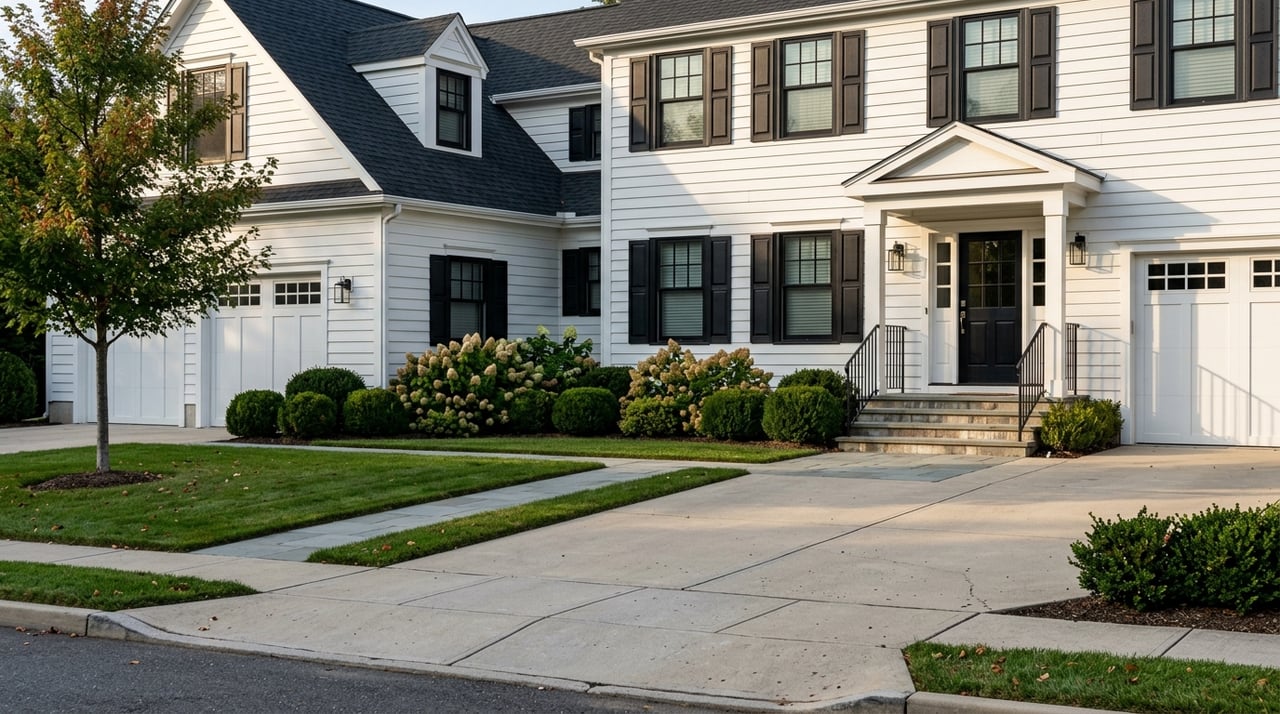
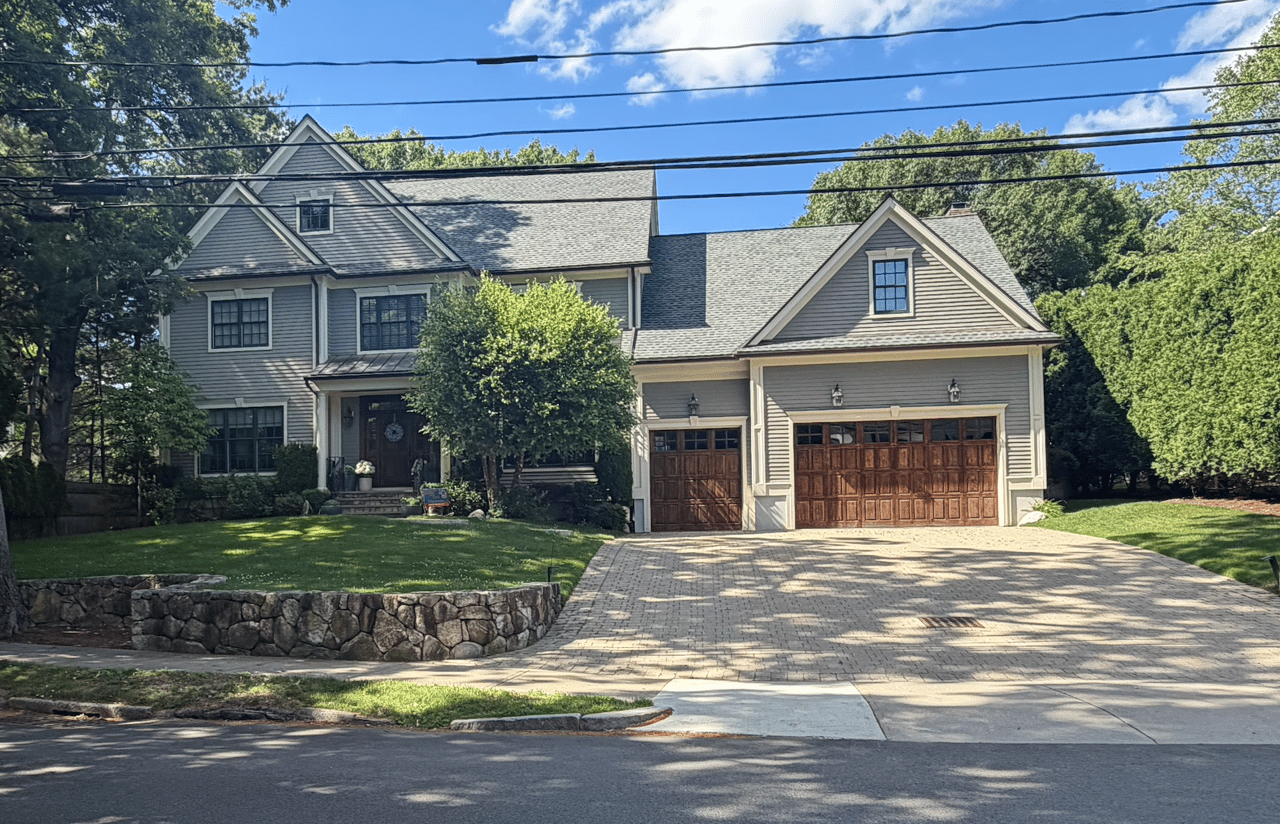
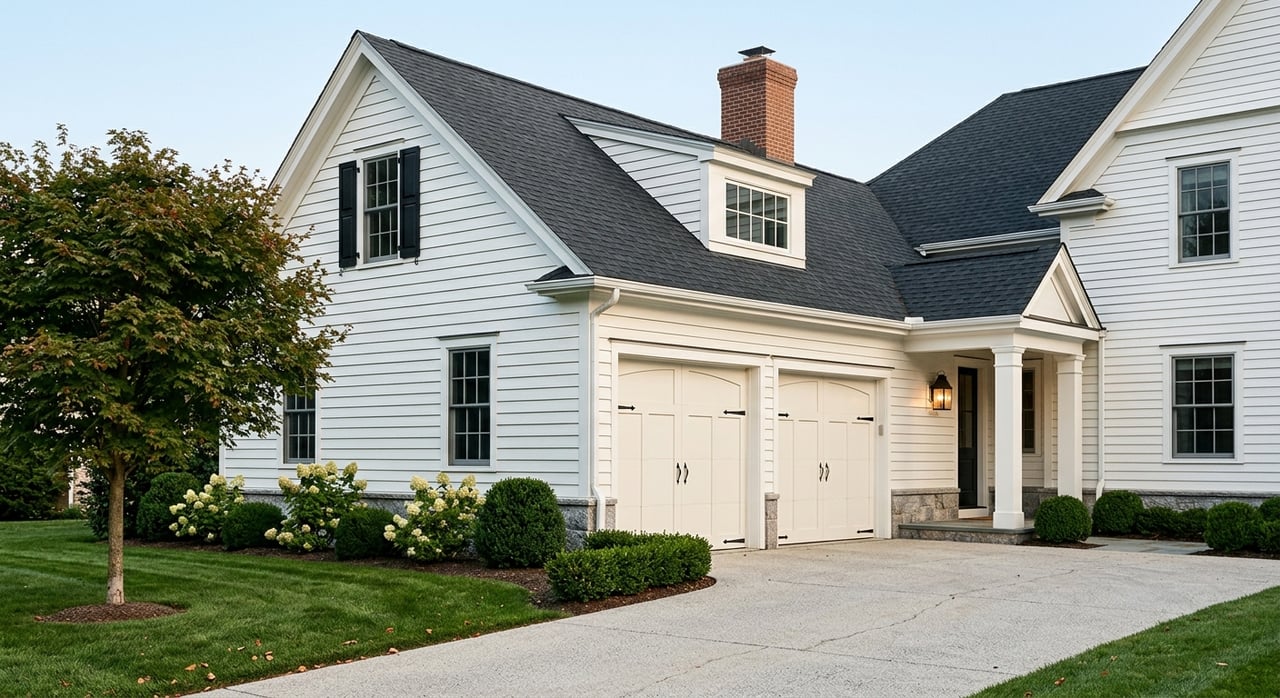
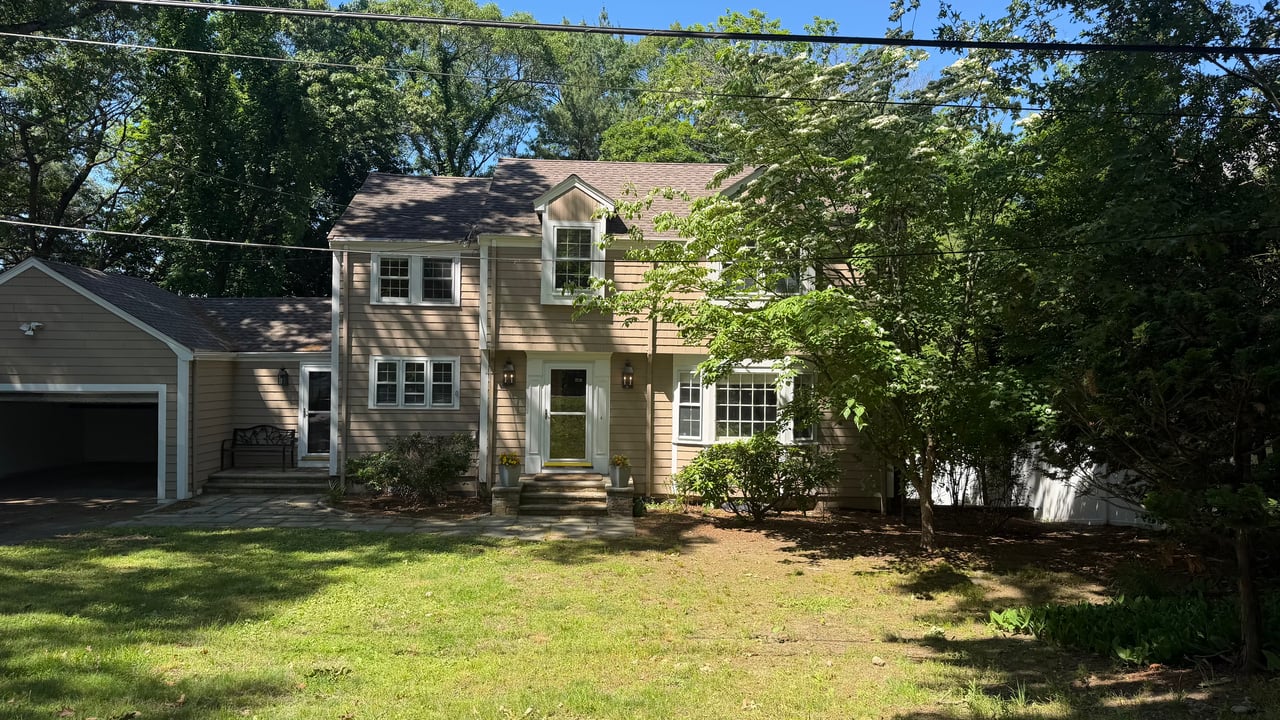
If you spend time on Newtonville’s residential streets, you will notice a strong sense of architectural history. The city’s historic-district materials describe the area as an architecturally important and intact historic neighborhood with many late-19th- and early-20th-century residential styles.
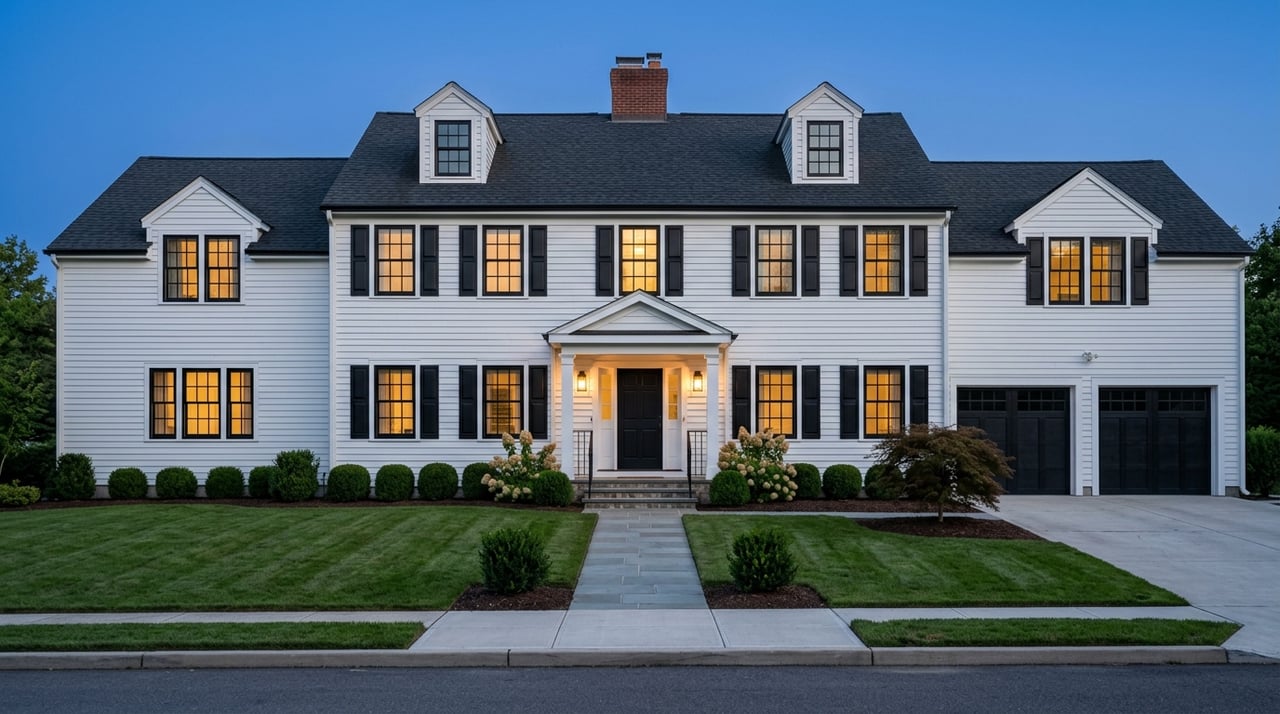
The district is described as almost entirely residential, with many large detached houses that were originally built as single-family homes on moderate-sized lots. The city lists Queen Anne, Colonial Revival, and other revival styles among the dominant architectural patterns.
That housing character gives many streets a settled, established feel. For buyers, it often means Newtonville can feel visually distinctive, with older homes and neighborhood patterns that reflect the area’s long history.
The area’s history also helps explain why Newtonville feels the way it does today. The city says Newtonville developed as a streetcar suburb, and commuters built family homes along Walnut Street. It also notes that many of the one-story commercial buildings on Walnut Street date to the 1920s.
That history still shows up in the present-day layout. You can feel the relationship between residential streets, local businesses, and commuting access, which is part of what gives Newtonville its practical and enduring appeal.
Newtonville can appeal to different kinds of buyers for different reasons. If you value a walkable village center, commuter rail access, nearby parks, and established residential streets, it checks many important boxes.
It may be especially appealing if you want a neighborhood where everyday life feels manageable. You can picture mornings with coffee on Walnut Street, a straightforward commute, errands handled nearby, and outdoor space woven into the week.
At its core, Newtonville feels useful, connected, and established. You have a village center that supports regular routines, transportation that matters in real life, and residential streets with architectural character and a suburban backdrop.
That combination is what makes Newtonville stand out. It is not trying to be everything at once. Instead, it offers a steady, practical lifestyle with local texture, which is often exactly what buyers are looking for when they want both convenience and a sense of place.
If you are considering a move in Newton and want help comparing Newtonville with other villages, Valerie Wastcoat can help you evaluate the day-to-day lifestyle, housing character, and market fit with a truly local perspective.
If you’re looking for a dynamic approach to real estate from a top-performing, knowledgeable agent who truly goes above and beyond for clients, look no further. I will work side by side with you, navigating current market conditions and guiding you every step of the way.