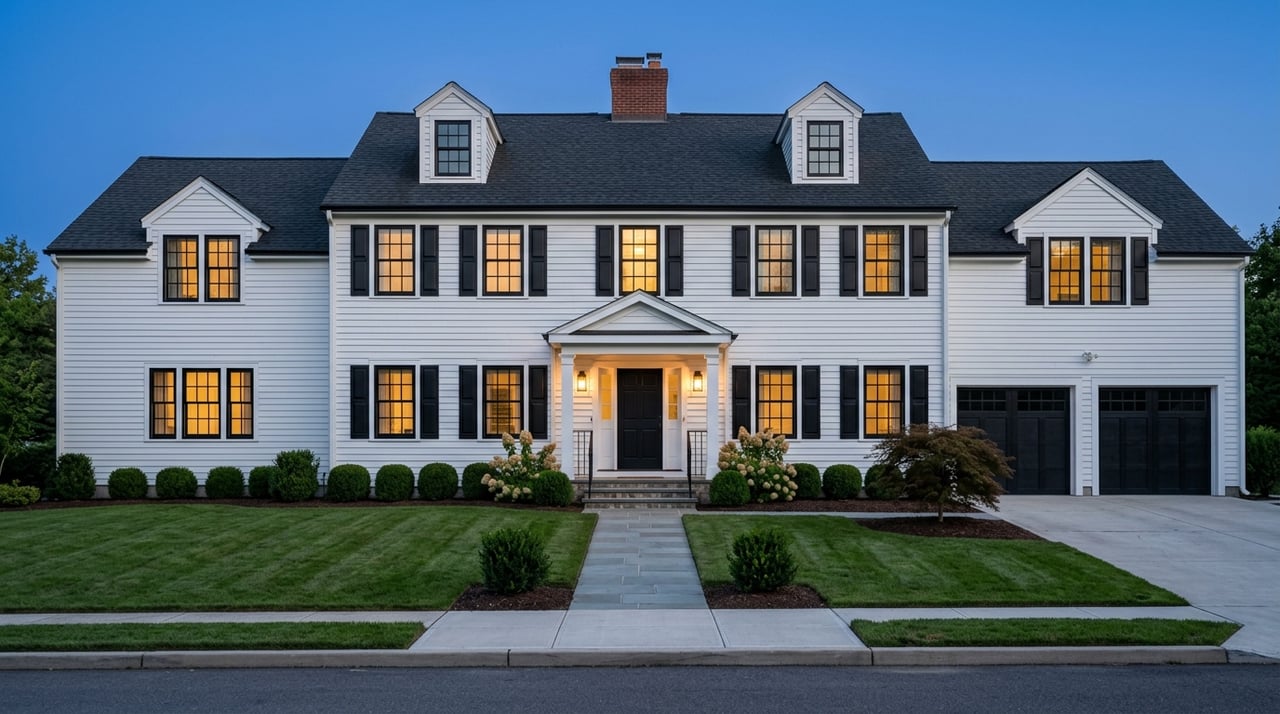
Preparing Your Chestnut Hill Home For Premium Buyers
If you are preparing to sell a home in Chestnut Hill, you are not just putting square footage on the market. You are presenting architecture, setting, and a lifestyle that premium buyers notice right away. In a small, high-price market where listings are limited and homes often sell close to asking, the details of your pre-listing plan can shape how buyers respond. This guide walks you through the smartest ways to prepare your Chestnut Hill home for a polished, premium launch. Let’s dive in.
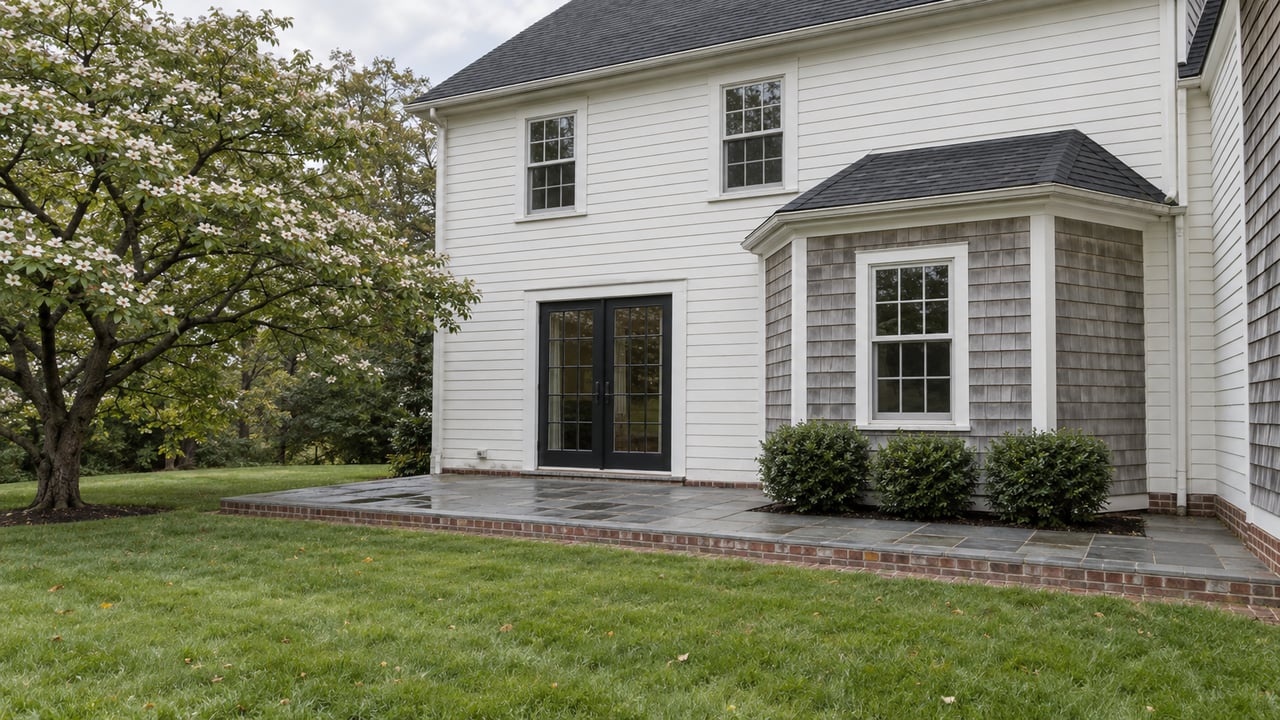
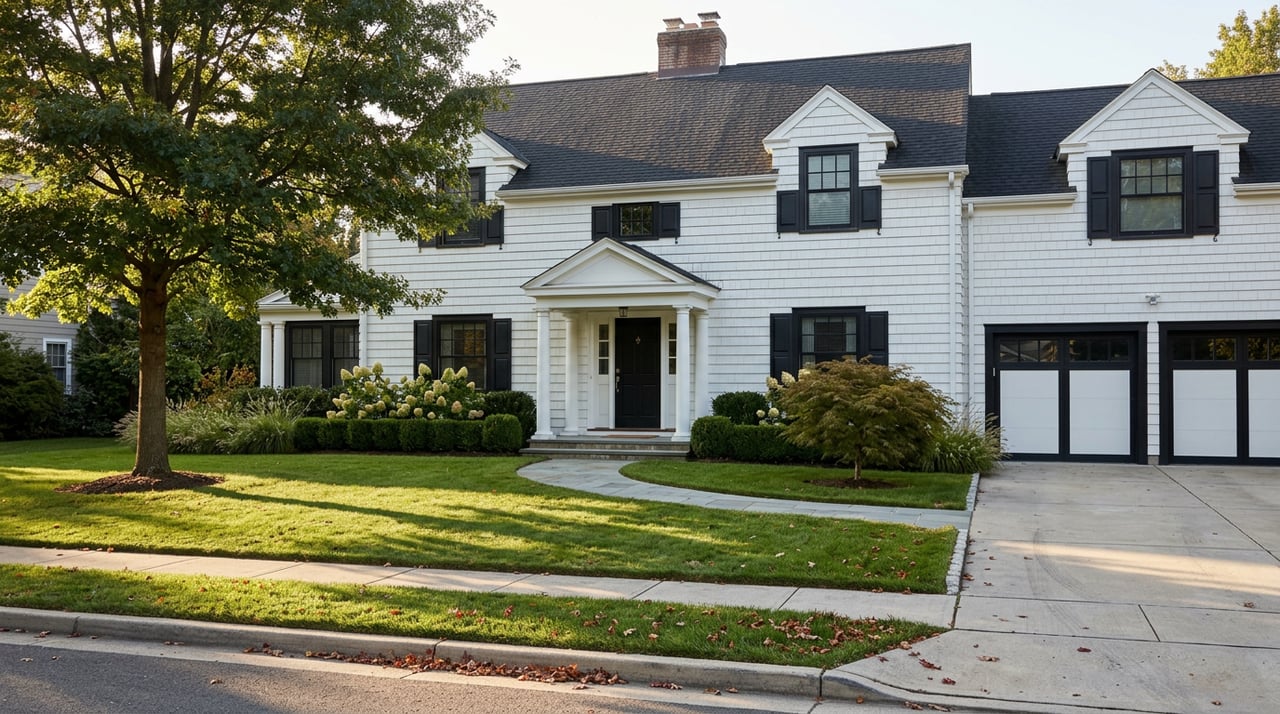
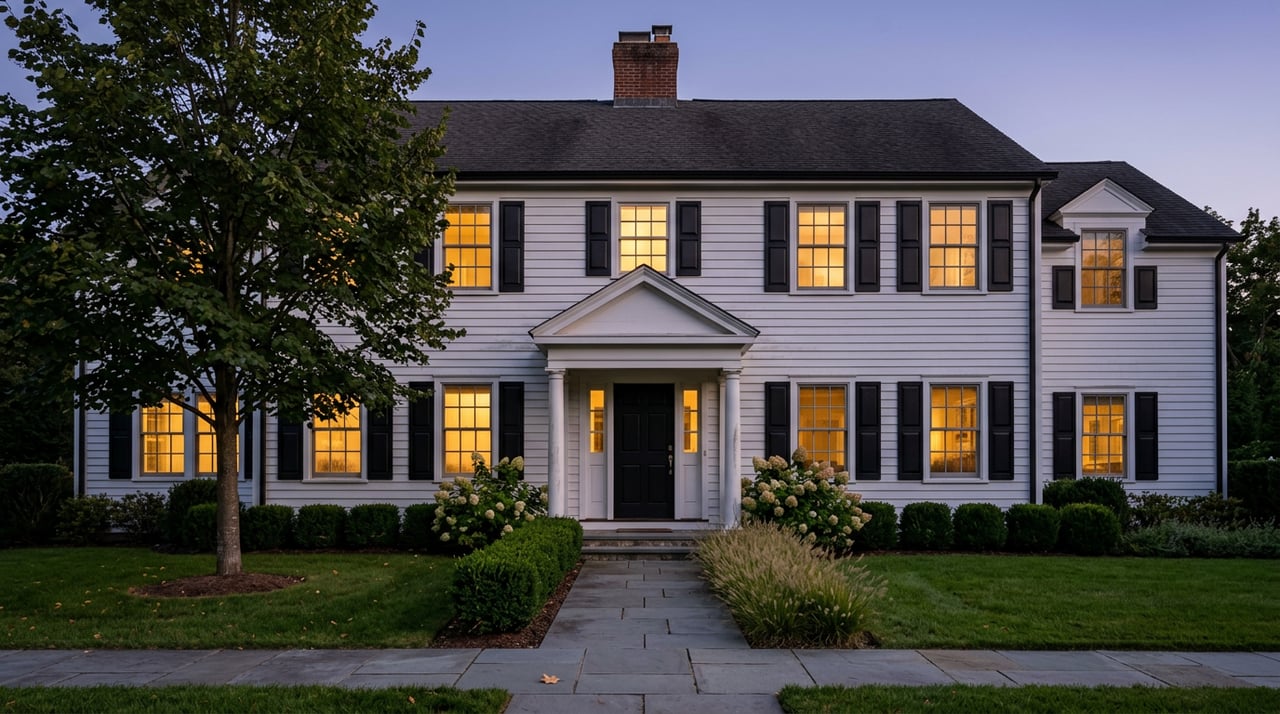
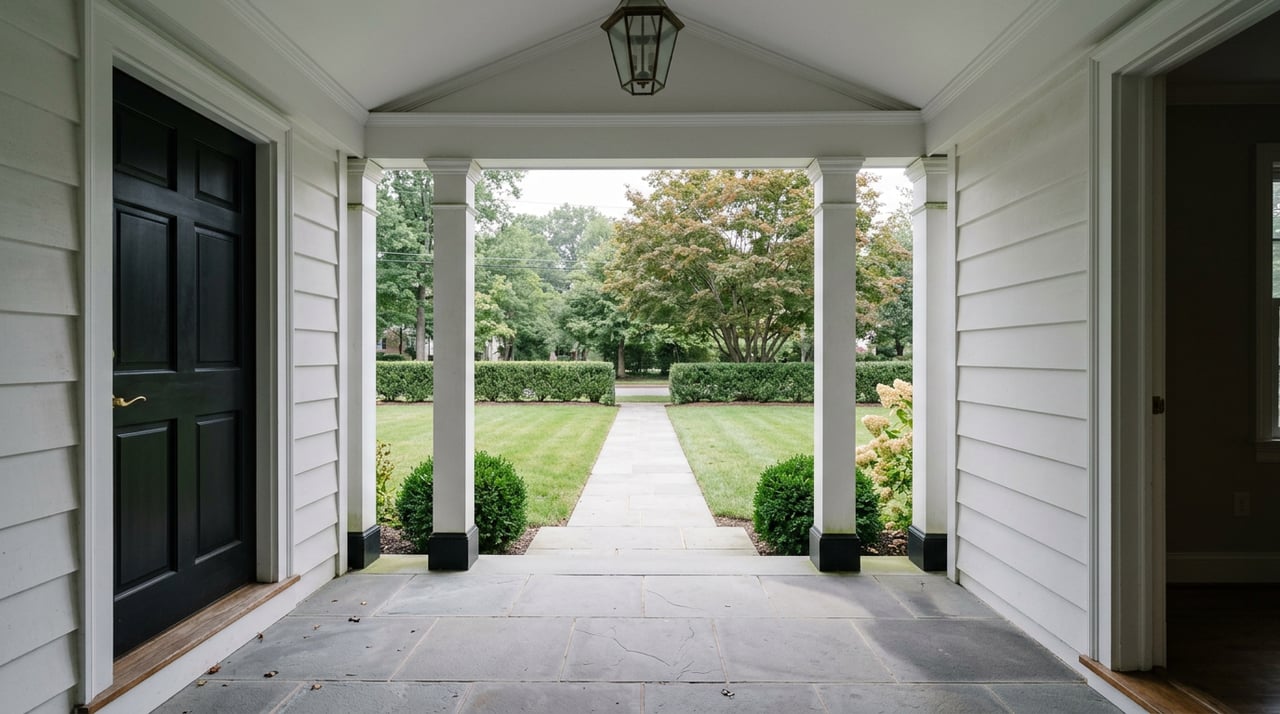
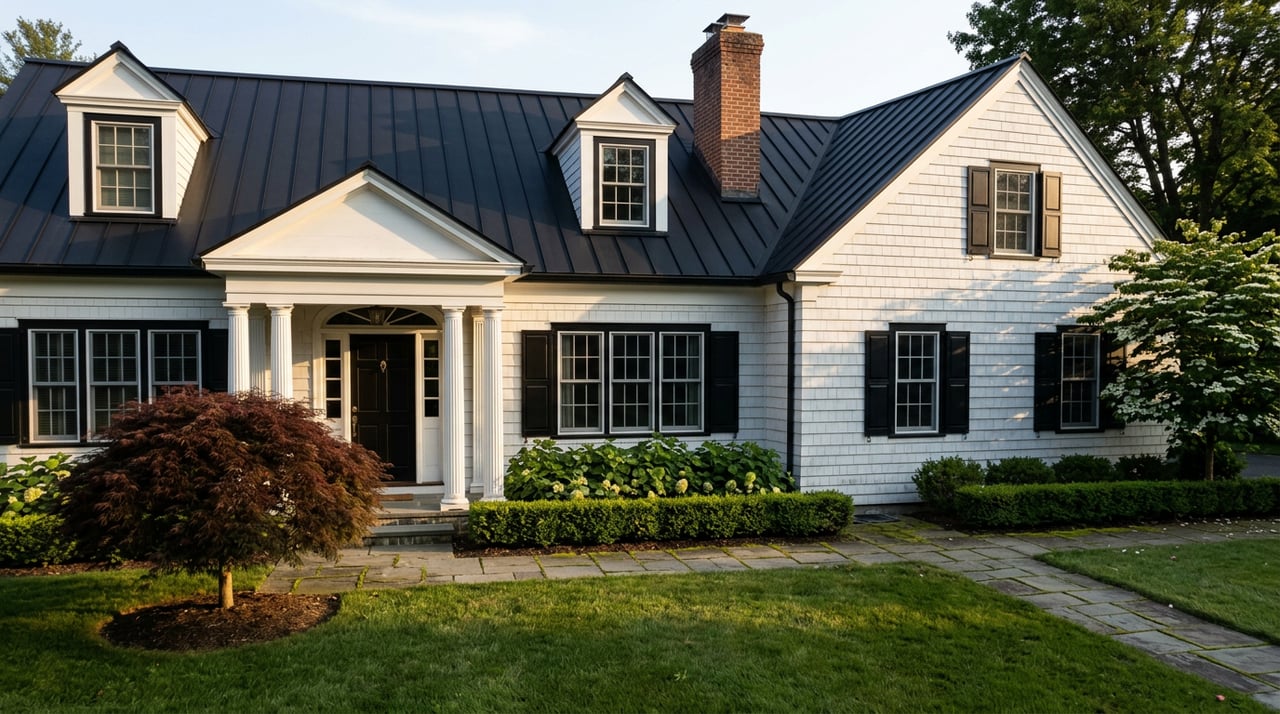
Chestnut Hill stands out within Newton for its historic character, large homes, landscaped lots, and strong relationship between the house and its setting. Much of the housing stock dates to the late 19th and early 20th centuries, with Colonial Revival, Georgian Revival, and Shingle styles playing a major role in the neighborhood’s identity.
That matters because premium buyers in Chestnut Hill are often responding to more than finishes alone. They are evaluating architectural integrity, privacy, curb appeal, and how well the home’s updates fit its original design. In this setting, thoughtful preparation tends to outperform rushed or overly trendy changes.
Market conditions also support a careful launch. In March and April 2026, public market trackers showed only about 5 to 7 homes for sale in Chestnut Hill, with median listing prices around $2.56M to $2.57M and median days on market around 27 to 36. In a market this small, every listing gets attention, which makes presentation and pricing precision especially important.
Before you schedule exterior work, confirm whether your property is inside the Chestnut Hill Local Historic District. The district does not cover the entire village, so you should not assume your home is or is not included.
If your property is in the district, exterior changes to the building or hardscape require an application. Some in-kind repairs and ordinary maintenance may qualify for staff-level approval, and work not visible from a public way may avoid full review. Soft landscaping such as planting trees, shrubs, and flowers is not reviewed, which gives you room to improve outdoor presentation without adding another layer of approval.
This step is important because premium buyers tend to ask detailed questions. If you replace windows, alter exterior materials, or make hardscape updates without confirming the approval path first, it can create avoidable stress later in the sale process.
The district checklist calls for clear photos and product or material specifications. For window replacement, the submission requires building-side photos, proposed window details, photos of existing architectural details, and product specifications.
Even if your work is straightforward, keep these records organized from the beginning. The same documentation can help answer buyer questions once your home is on the market.
Not every project deserves a pre-listing budget. In Chestnut Hill, the most effective approach is usually to fix what could raise buyer objections and avoid unnecessary redesign.
A practical repair sequence is to address safety issues, water-related issues, and visible exterior problems first. After that, focus on only the repairs needed to help the home show cleanly and confidently. In a historic, high-value neighborhood, preservation-minded updates often fit buyer expectations better than full-scale modernization.
That means your original trim, windows, doors, millwork, or exterior details may be assets, not obstacles. If they are in good condition, your goal is often to highlight and maintain them rather than replace them with something more generic.
If you are doing work before listing, build enough time into your schedule for permits and inspections. Newton’s Inspectional Services Department issues permits for construction, reconstruction, alteration, repair, and demolition.
Timing matters here. Construction noise is limited to Monday through Friday from 7 AM to 7 PM, Saturday from 8 AM to 7 PM, and Sundays or holidays only by mayoral permit. If you are trying to coordinate contractors before photography and showings, those limits can affect your timeline more than you expect.
The safest move is to finish work, receive any needed sign-off, and avoid active construction during your launch window. Buyers tend to respond better when the home feels complete, calm, and ready.
For many Chestnut Hill sellers, the best return comes from modest, visible improvements rather than a major renovation. NAR’s 2025 Remodeling Impact Report supports this strategy, showing that agents often recommend painting before listing and that high cost-recovery projects tend to be targeted items such as a new steel front door, closet renovation, or new fiberglass front door.
In practical terms, this means you should look for updates that make the home feel fresh, bright, and well maintained. A full kitchen or bath remodel may not be necessary if the existing space is functional, clean, and consistent with the home’s character.
Premium buyers in this market are often comparison shopping carefully. They tend to notice whether updates feel intentional and whether they suit the architecture of the home.
Staging matters because buyers usually encounter your home online before they ever walk through the door. NAR’s staging research found that 81% of buyers’ agents said staging made it easier for buyers to visualize a property, 48% said it reduced time on market, and 20% said it increased the dollar value offered by 1% to 5%.
For Chestnut Hill homes, staging should support the architecture, not compete with it. Large rooms, strong millwork, generous windows, and established sightlines need space to read clearly. If furniture placement is too heavy or decor is too personal, buyers may miss the features that make the home special.
The goal is not to strip out character. The goal is to create clarity. When a buyer scrolls through photos or walks room to room, they should quickly understand scale, flow, and detail.
Photos are often the most useful feature for buyers during their online search, and buyers also place high value on detailed property information, floor plans, and virtual tours. That makes your launch package a major part of your sales strategy.
In Chestnut Hill, where homes are often listed in the mid-$2M range and inventory is limited, your first impression needs to be strong. That means the listing should not go live until the house is fully cleaned, staged, and professionally photographed.
A premium launch package should include high-quality exterior and interior photography, a floor plan, a virtual tour when appropriate, and concise but complete property notes. Buyers should be able to understand the layout and condition of the home without guessing.
Once your home is live, the showing process should feel private, organized, and easy to navigate. Appointment-based showings, clear access instructions, well-lit rooms, and a quiet property all support a stronger buyer experience.
If possible, avoid ongoing repairs during the showing period. Tools, contractor vans, unfinished punch-list items, or active work can distract from the home itself. In a premium market, buyers often respond best when the property feels composed and move-in ready.
This is also where preparation behind the scenes pays off. A well-managed launch helps keep momentum strong during the critical first days on market.
As you prepare for sale, gather records for any work that could come up during buyer conversations. This includes permit records, historic-district approvals, contractor invoices, clear before-and-after photos where helpful, and product or material specifications.
This kind of organization does two things. First, it helps you respond quickly and clearly when buyers ask about visible updates. Second, it reduces the risk of last-minute confusion during disclosure and negotiation.
In a neighborhood where architectural details matter, buyers may ask specific questions about windows, exterior repairs, hardscape updates, or restoration work. Having a complete file helps your sale feel more polished and credible.
Preparing your Chestnut Hill home for premium buyers is usually not about doing more. It is about doing the right things in the right order.
Start with district status and permits. Fix issues that could undermine confidence. Choose cosmetic updates that support the home’s architecture. Then stage and market the property so buyers can appreciate its scale, character, and condition from the very first click.
If you want a tailored plan for your property, from pre-listing preparation and staging to pricing and launch strategy, Valerie Wastcoat offers the white-glove, hyperlocal guidance that Chestnut Hill sellers need.
If you’re looking for a dynamic approach to real estate from a top-performing, knowledgeable agent who truly goes above and beyond for clients, look no further. I will work side by side with you, navigating current market conditions and guiding you every step of the way.