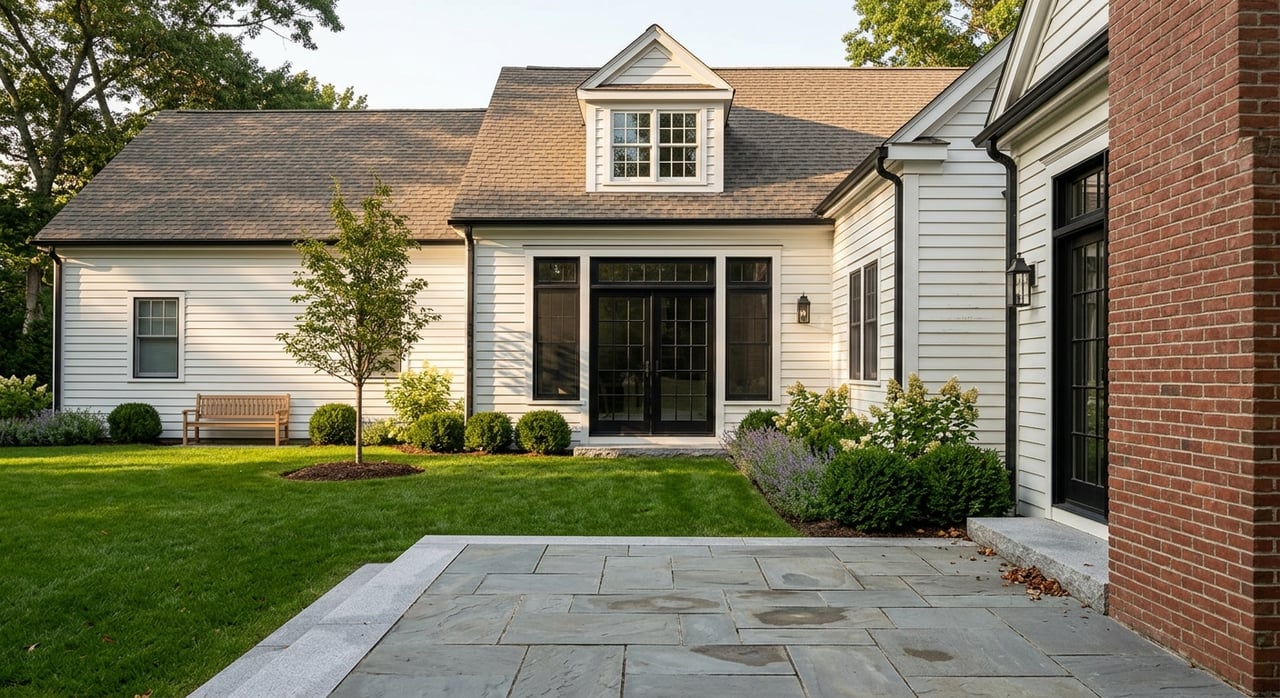
Auburndale Newton Family Living for Modern Buyers
If you are searching for a Newton neighborhood that feels peaceful without feeling disconnected, Auburndale often stands out fast. Many buyers want a place where daily life feels a little easier, with green space, local services, and access to Boston all in the same picture. That is exactly why so many families take a closer look at this village. Here is what makes Auburndale such a compelling choice.
Auburndale is one of Newton’s 13 villages, and that matters more than you might think. Newton is organized around multiple village centers instead of one downtown, which gives each area its own rhythm and identity.
In Auburndale, that rhythm feels established, residential, and connected. Its growth was shaped by early railroad access and suburban commuter development, and that history still shows up in the way the village feels today.
The city classifies Auburndale as a neighborhood center rather than one of Newton’s larger village centers. In practical terms, that means you get some local shops and services, but the area stays noticeably smaller in scale than busier parts of Newton.
For many families, that balance is the appeal. You can enjoy local convenience without living in the middle of a larger commercial district.
One of Auburndale’s strongest advantages is how much open space and river access it offers. The Charles River plays a major role in the village’s identity, and that connection still shapes daily life.
Auburndale Playground, also known as The Cove, is a 29.9-acre city park on the Charles River. It includes a playground, basketball and tennis courts, a softball field, walking trails, picnic areas, and the city’s only skating area on the Charles River.
For families, that kind of amenity mix can make weekends and after-school time much easier to fill. It creates room for play, movement, and time outside without needing to leave the neighborhood.
Norumbega Conservation Area is another local highlight in Auburndale. The area includes trails along the Charles River as well as paths around wooded knolls and an old meadow.
The city describes it as a favorite local attraction, and it is easy to see why. If you value a neighborhood where outdoor time can be part of your regular routine, Auburndale checks that box in a meaningful way.
Auburndale also benefits from Newton’s broader network of outdoor infrastructure. Newton says the Charles River Path runs along one or both sides of the river through Newton and nearby communities, and the city also notes that it has more than 20 miles of bike lanes and paths.
That gives you more ways to stay active and get around. It also reinforces why Auburndale can feel greener and more spacious than its modest commercial footprint might suggest.
A neighborhood can be beautiful and still fall short if daily life feels inconvenient. Auburndale tends to appeal because it offers a practical mix of quiet residential streets, local services, and transportation access.
Because Auburndale is a neighborhood center, it includes a smaller-scale mix of businesses and services. The city describes uses such as banks, small goods, salons, boutiques, and restaurants, along with on-street and off-street public parking.
That means you may be able to handle quick errands close to home. For busy households, that kind of convenience can make a real difference.
Auburndale is one of Newton’s commuter-rail villages. Newton says the Worcester/Framingham line serves Auburndale, and the city places Newton about seven miles west of downtown Boston.
For buyers who want a suburban setting with ongoing access to the city, that combination is a key reason Auburndale stays on the shortlist. It supports commuting needs while preserving a more residential feel at home.
The city has also announced accessibility improvements for the Auburndale commuter rail station as part of a broader station improvement effort. For buyers thinking long term, that shows Auburndale remains part of Newton’s ongoing transit planning.
For many buyers, school planning is one of the biggest parts of the decision. In Auburndale, the most important thing to know is that Newton Public Schools uses address-based attendance zones.
That means the exact property matters. The district also notes that assignments can change over time and that some areas may be in buffer zones, so it is important to verify school assignment for any specific address.
Burr Elementary School is located in Auburndale on Pine Street. While that does not determine assignment for every home in the village, it does give the neighborhood a clear family-oriented landmark.
Beyond school buildings themselves, Newton also offers camps, sports clinics, after-school programs, swim facilities, and a large therapeutic recreation program through city departments. That broader infrastructure is part of what makes family life in Newton feel well supported.
Auburndale is not just practical. It also has a strong sense of place, and that often matters to buyers who want a home that feels tied to its surroundings.
The Auburndale local historic district reflects the village’s development around transportation, commuter housing, religious congregations, higher education, and Lasell College. The city notes prominent architectural styles such as Italianate, Second Empire, Shingle, and Colonial Revival.
It also describes a historic fabric built on large suburban lots with strong coherence in size, scale, and craftsmanship. That helps explain why many streets feel visually consistent and deeply rooted.
If you are considering a home in Auburndale, it is worth knowing that the historic district does not cover the entire village. For homes inside the district, exterior changes visible from a public way generally require review.
That is not necessarily a drawback, but it is an important detail. If charm and architectural continuity matter to you, it may be a plus. If renovation flexibility is a top priority, you will want to understand that distinction early.
Auburndale’s housing pattern is mixed, but it remains fundamentally residential. According to the city’s pattern-book summary, nearly three-quarters of the development square footage is residential.
The village center is relatively small, with some multifamily buildings mixed in alongside dining, banking, convenience, and general service uses. That blend helps support local activity while keeping the overall character rooted in homes and neighborhood streets.
Compared with Newton’s larger village centers, Auburndale often appeals to buyers who want a quieter setting with neighborhood convenience rather than a higher-activity commercial core. For many families, that is exactly the right fit.
When you step back, the appeal becomes pretty clear. Auburndale offers riverfront parks, trails, commuter rail access, local services, and a distinctly residential setting inside one of Greater Boston’s best-known suburban markets.
It also offers something harder to measure but easy to feel once you spend time there. The village has a calm, established character that many buyers find reassuring, especially when they want both convenience and breathing room.
If you are weighing where to focus your Newton home search, Auburndale is worth serious attention. And if you want help understanding which streets, home styles, and micro-locations best match your goals, Valerie Wastcoat can help you navigate the process with local insight and a high-touch approach.

If you’re looking for a dynamic approach to real estate from a top-performing, knowledgeable agent who truly goes above and beyond for clients, look no further. I will work side by side with you, navigating current market conditions and guiding you every step of the way.