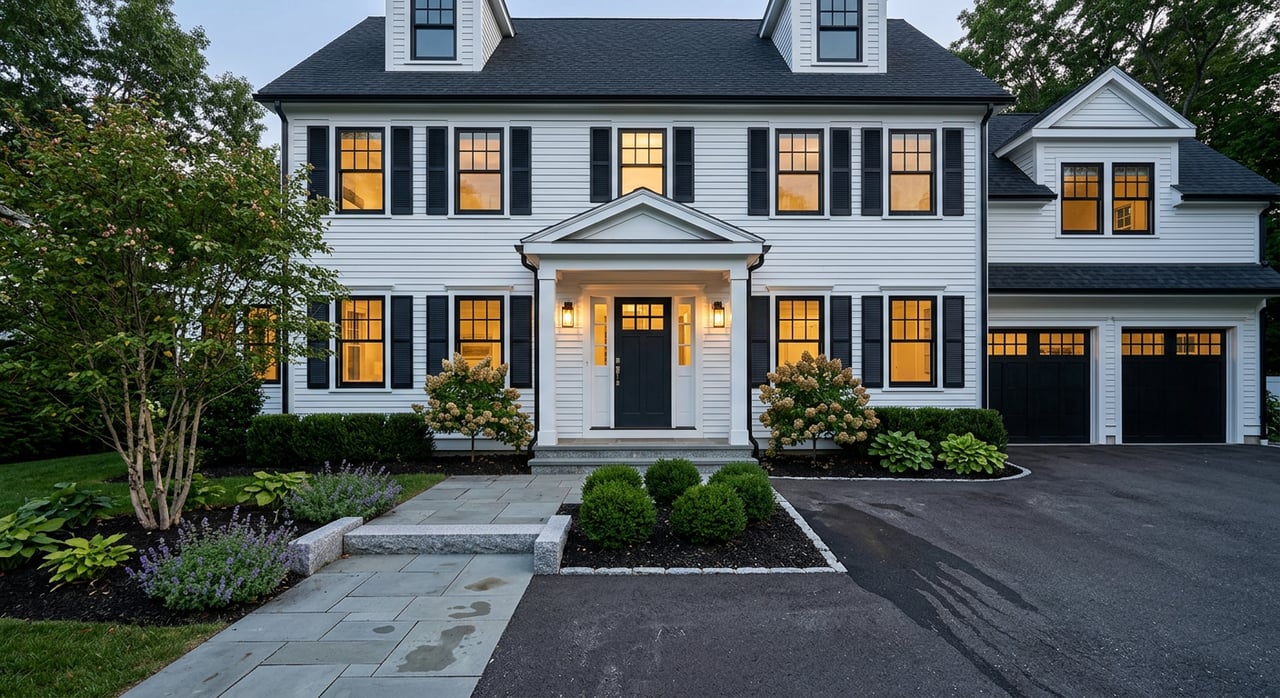
How Newton Highlands Compares To Other Newton Villages
Trying to choose between Newton Highlands and nearby villages like Newton Centre, Waban, or Newtonville? You are not alone. Each village offers a different mix of price point, transit, walkability, schools, and parks. In this guide, you will see how Newton Highlands stacks up so you can match a neighborhood to your lifestyle and budget with confidence. Let’s dive in.
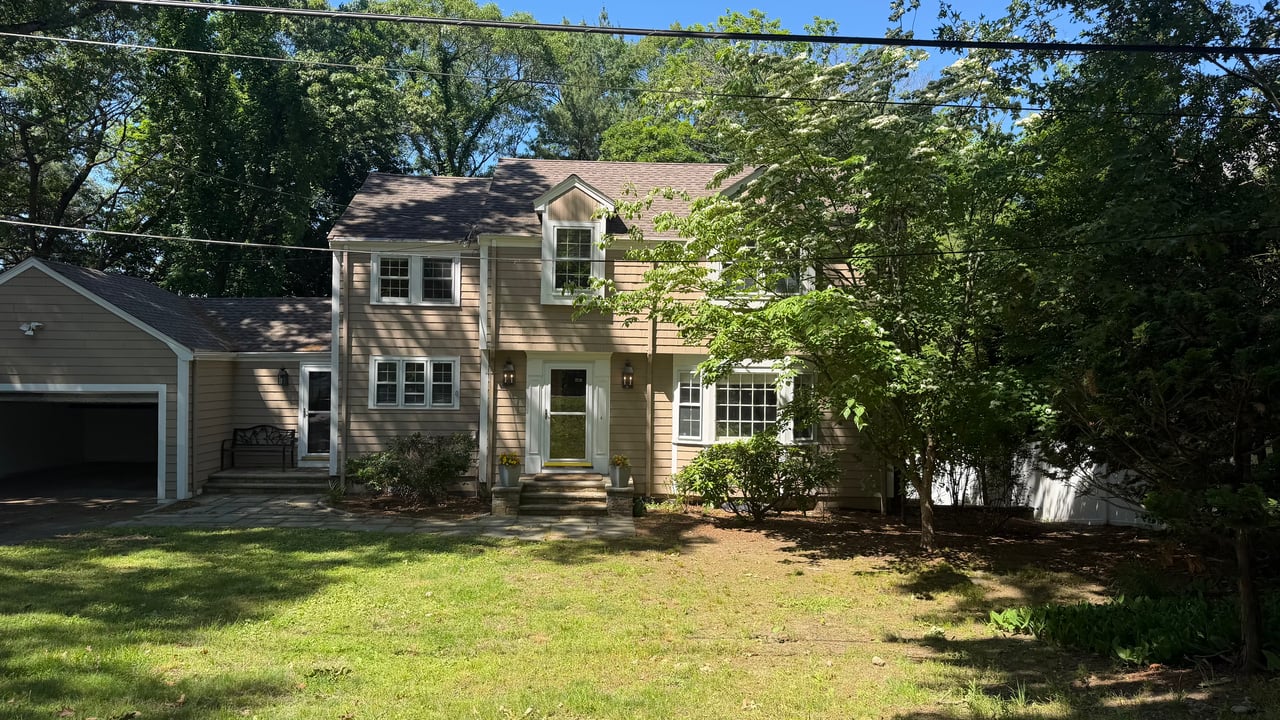
Newton Highlands centers on a compact, walkable strip around Lincoln, Walnut, and Beacon. You will find early 20th‑century single‑family homes like Colonial and Tudor styles, plus some condo and townhouse conversions closer to the core. Short blocks and storefronts create an easy village vibe. The City’s historic walking‑tour materials describe this mix in detail and are a great way to preview street character before you visit in person. You can explore those resources in the City of Newton’s historic walking tours.
What to go see: the Beacon and Lincoln storefronts near the Newton Highlands Green Line stop and the surrounding residential streets.
Newton Centre is the largest and most active village core in Newton. The triangle around Centre Street and Beacon Street has continuous retail and dining, along with nearby services. Housing includes larger historic single‑family homes and some small apartment and condo buildings near the core, with prestige pockets close to Crystal Lake and parts of Chestnut Hill. The City’s historic walking tours cover this area as well.
What to go see: the Centre and Beacon triangle, Crystal Lake, and the Newton Centre D‑line stop.
Waban reads as a leafy, largely residential village with many larger lots and architect‑designed homes from the early 1900s. The village center is smaller, with neighborhood‑serving shops, and it is convenient to the D‑line via Woodland and nearby stations. Style cues often include Tudor and Colonial Revival. Learn more in the City’s historic walking tours.
What to go see: Waban’s village shops, Woodland area Green Line access, and quiet residential streets.
Newtonville offers a broader mix of housing: Victorian and Colonial single‑families, older triple‑deckers in places, and more recent condo conversions. The village core orients toward the commuter‑rail station, which brings apartment‑style options and convenience for riders heading to downtown job centers. The station context is outlined on the Newtonville Station page.
What to go see: Newtonville’s retail near the station, the village green, and blocks with newer condo buildings.
Walkability in Newton changes block by block. Village cores such as Newton Centre and the immediate Beacon and Lincoln area in Newton Highlands often return higher Walk Scores, while many residential pockets outside the cores can be more car‑dependent. You can review examples on Walk Score’s Newton pages, then do an in‑person check.
Tip: walk your likely route during both weekday rush hour and a weekend afternoon to see real‑world foot traffic, crosswalk behavior, and parking patterns.
A regional schedule analysis shows inbound Green Line D branch travel from Newton Highlands to Park Street around 31 minutes during the AM peak. Your door‑to‑door time will depend on walking and transfer waits, so test your trip at your usual commute time. You can review the analysis at the Central Transportation Planning Staff.
The MBTA and City of Newton have active accessibility and platform improvement planning at Newton Highlands Station. Construction can change access paths or require temporary shuttles. You can follow updates on the City’s Newton Highlands Green Line Station project page.
All four villages sit inside Newton Public Schools, a district known for strong performance on state metrics. For data and accountability trends, review the district profile on Mass School Rankings.
These are common examples only, since school zones do not always align with village lines and can change over time:
Always confirm the assigned school by the exact property address with Newton Public Schools before you make an offer. For families with firm school preferences, filter your home search by school assignment rather than village name alone.
Public neighborhood snapshots often place Newton Highlands below Newton Centre and Waban on median price, with Newtonville in between. Recent ranges cited in consumer snapshots put medians roughly at the following levels, with variation by provider and sampling period:
Treat these as directional. Individual property features like lot size, garage count, bath count, and level of renovation can swing value significantly from one village to the next.
Access to green space is a daily‑life differentiator in Newton. The City’s Open Space and Recreation Plan highlights several destinations near these villages, including Crystal Lake, Cold Spring Park, and Hammond Pond Reservation. You can review park resources in the City of Newton’s Open Space and Recreation Plan.
Highlights by village:
Use this to narrow your short list:
Choosing between Newton Highlands, Newton Centre, Waban, and Newtonville comes down to tradeoffs between price, transit style, walkability, and lot size. If you want a lively main street feel at a price that often undercuts Newton Centre, the Highlands core is worth a close look. If you prioritize larger lots and a quieter residential setting, Waban may fit better. For commuter‑rail convenience and more condo choices, Newtonville can be a smart match.
If you would like a custom short list with door‑to‑door commute times, school‑zone verification, and recent comps, reach out to Valerie Wastcoat for local, white‑glove guidance.
If you’re looking for a dynamic approach to real estate from a top-performing, knowledgeable agent who truly goes above and beyond for clients, look no further. I will work side by side with you, navigating current market conditions and guiding you every step of the way.