Torn between a single-family home and a condo in Newtonville? You are not alone. Many buyers love the village’s tree-lined streets and walkable core but want clarity on space, costs, commute, and long-term value. In this guide, you will see local numbers, simple cost comparisons, and real tradeoffs so you can choose with confidence. Let’s dive in.
Newtonville market snapshot
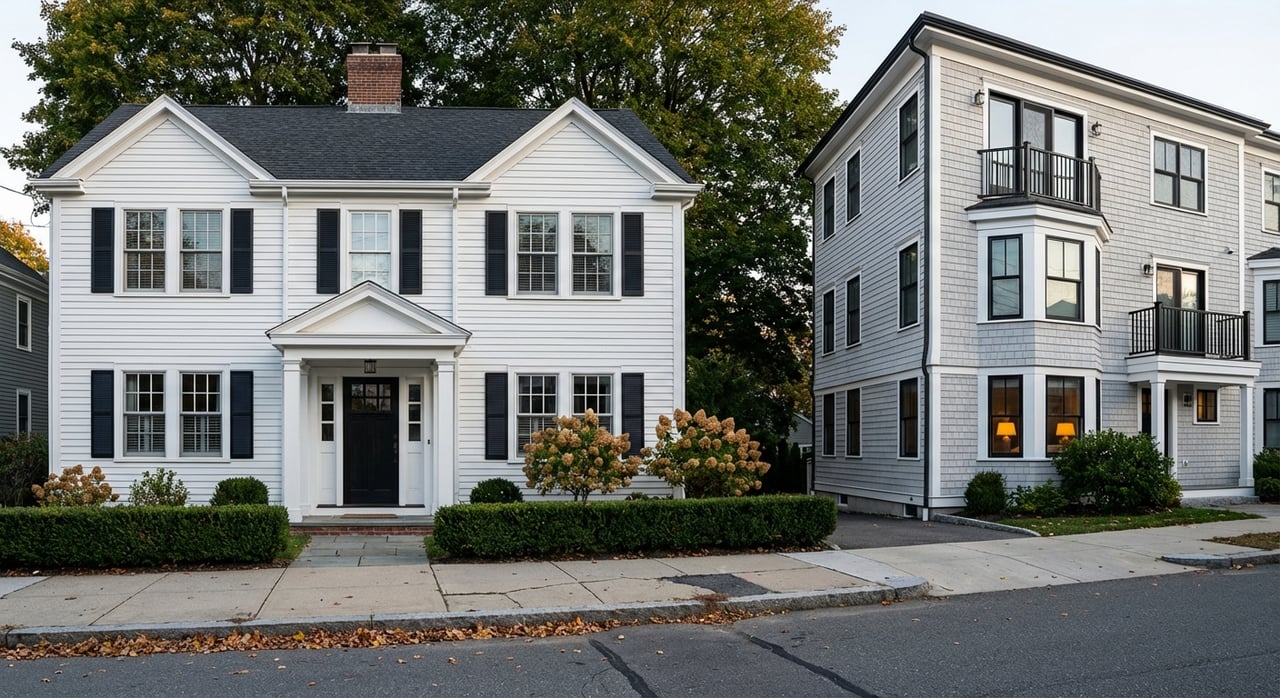
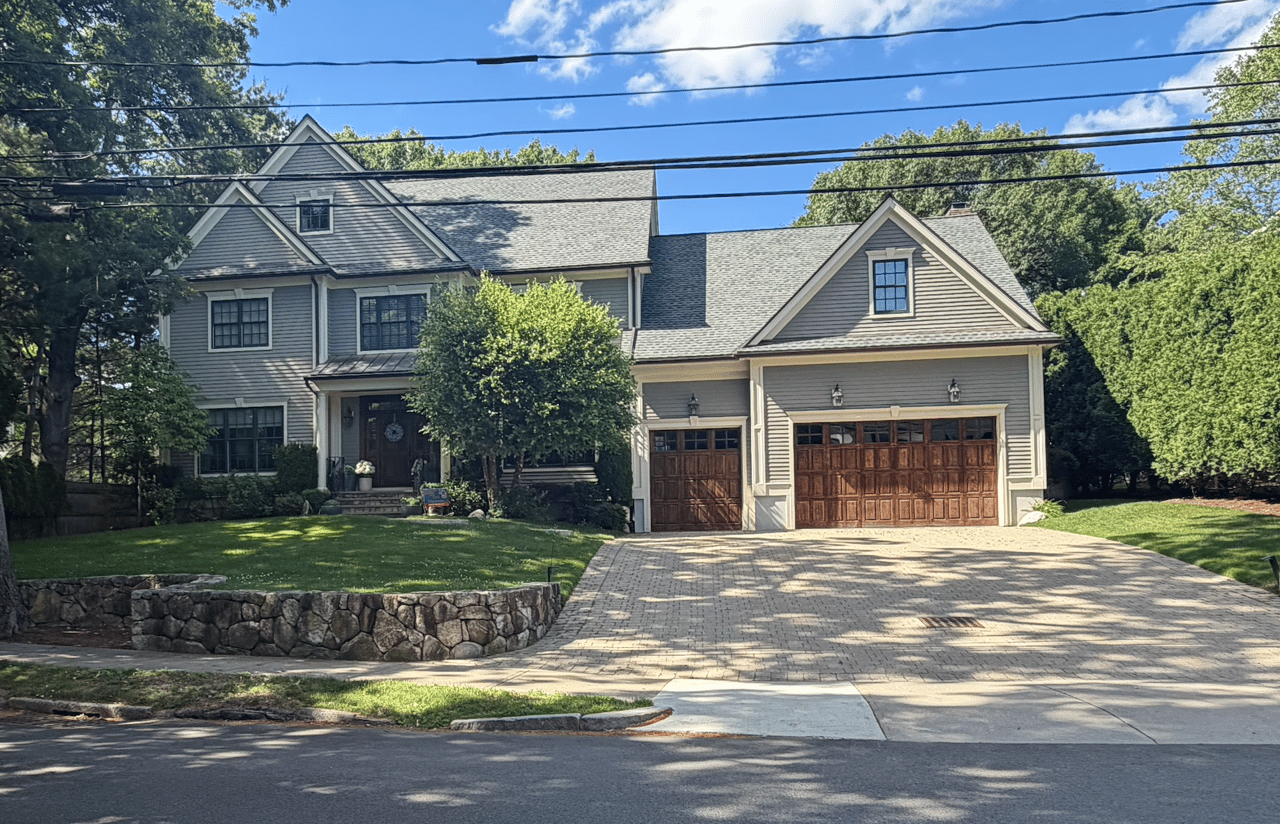
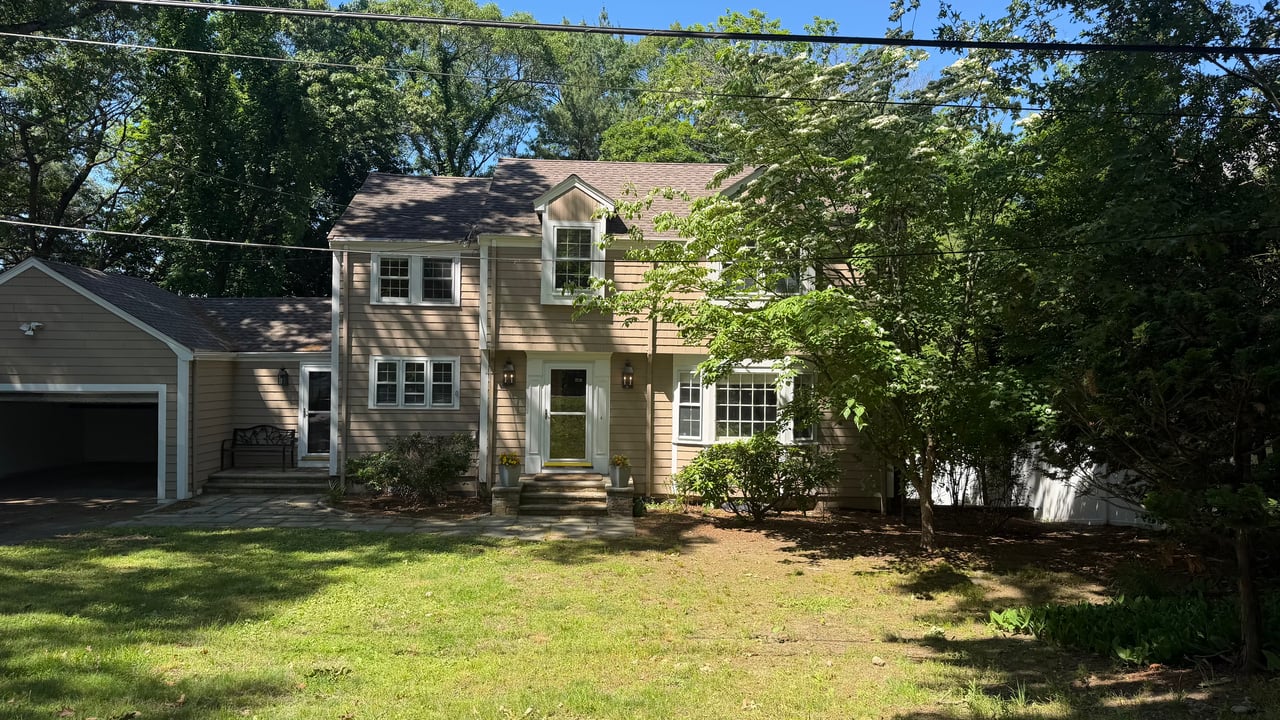
Newtonville is a walkable village centered on Walnut and Washington Streets with a mix of older single-family homes, 2–3 family conversions, and newer mixed-use and condo projects near the Washington and Walnut intersection. You will also find local parks and nearby Bullough’s Pond that add to the neighborhood feel. A concise village overview captures the area’s character.
For pricing context, a neighborhood report shows Newtonville’s median sold price around $1,550,000 with a median price per square foot near $561. Year-over-year, that report noted a 13.6 percent gain at one point, which highlights strong demand and the small-sample swings typical of village-level data. You can review the neighborhood-level data in Rocket’s Newtonville market report.
Citywide, Newton remains a high-price and competitive market with tight supply. Typical single-family homes commonly trade from about $1.3 million to $2.5 million or more depending on lot, location, and condition. Condos and townhomes in and near Newtonville’s village centers often range from roughly $700,000 to $1.1 million, with premium new construction and larger units reaching well above that.
Who tends to choose each option
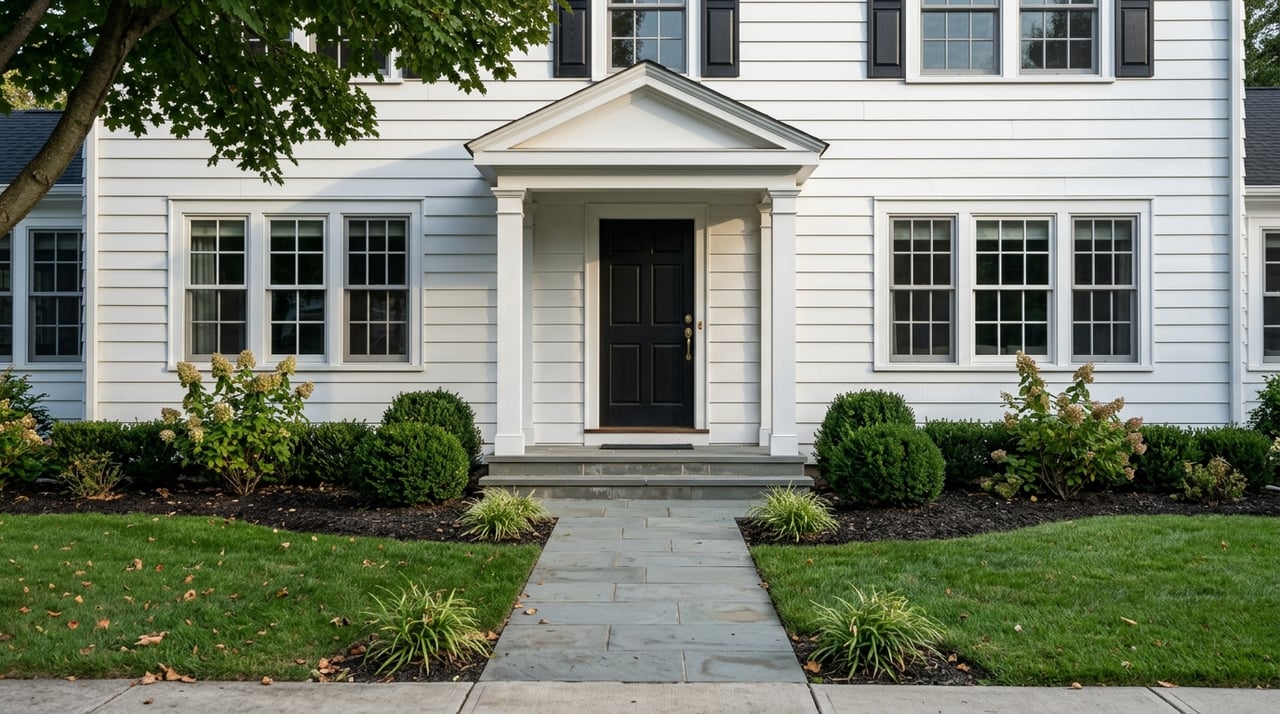
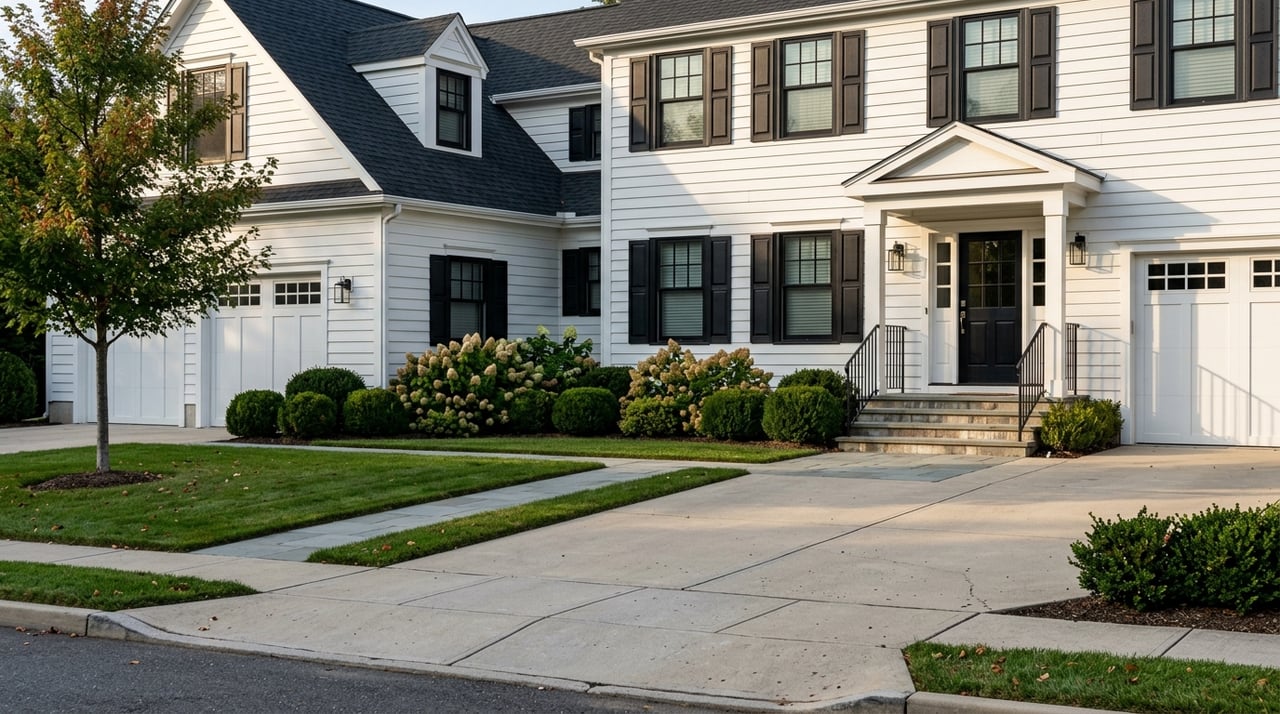
- Single-family homes: You get more interior and outdoor space, private yard, and full control over the exterior and land. You also take on higher maintenance and a larger property tax bill, especially at Newtonville price points.
- Condos and townhomes: You get lower day-to-day upkeep since the association handles exterior maintenance. Village-center locations often mean stronger walkability and quick access to shops and transit. Tradeoffs include monthly HOA dues, community rules, and the possibility of special assessments.
Ownership costs you can plan for
Property taxes, ongoing maintenance or HOA dues, and insurance drive your monthly costs outside the mortgage.
- Property taxes: The City of Newton’s FY2026 residential tax rate is $9.69 per $1,000 of assessed value. See the official rate from the City of Newton Assessing Department.
- Maintenance for single-family homes: A common planning rule is to budget around 1 percent of the home’s value per year for long-run maintenance and capital items. Learn more about the 1 percent guideline from Quicken Loans’ homeowner cost overview.
- Condo insurance vs homeowner insurance: Condo owners typically carry an HO-6 policy that is usually modest compared to a full homeowner policy for a single-family home. See a clear explanation of HO-6 coverage and loss assessment in Forbes Advisor’s guide.
Worked examples using local medians
These examples use typical Newtonville or Newton numbers to show order of magnitude. Actual costs depend on your property’s assessed value, HOA scope, insurance, age, and condition.
Example single-family at $1,550,000 (neighborhood-style median)
- Property tax: about $15,020 per year, or $1,252 per month
- Maintenance reserve using the 1 percent rule: about $15,500 per year, or $1,292 per month
- Add homeowner insurance and utilities based on the property
Example condo at $1,072,500 (representative condo median)
- Property tax: about $10,391 per year, or $866 per month
- HOA dues: widely variable, often a few hundred dollars per month in Newton listings. Small associations can be lower. Larger buildings can be higher, especially when heat, water, reserves, or master insurance are included in dues.
- Condo insurance (HO-6): often around a few hundred dollars per year per national benchmarks
Quick monthly comparison
These figures show non-mortgage costs only. Your specific totals will vary.
| Cost item |
Single-family example |
Condo example |
| Property tax |
~ $1,252 per month |
~ $866 per month |
| Maintenance or HOA |
~ $1,292 per month (maintenance reserve) |
~ $200 to $500 per month (typical HOA range) |
| Insurance |
Varies by property |
~ $35 to $45 per month (typical HO-6 range) |
| Approx. subtotal |
~ $2,544 per month plus insurance and utilities |
~ $1,101 to $1,411 per month |
What HOA dues often include: exterior maintenance, landscaping, snow removal, master building insurance, common utilities, reserves, and sometimes heat or water. Always read the HOA budget and disclosures so you understand exactly what you are paying for.
Transit, walkability, and daily life
- Commuter rail access: Newtonville station sits between Washington Street and the Mass Pike on the Framingham-Worcester line. Trains are limited compared with rapid transit but offer a direct ride to Boston based on schedule. See Newtonville station details and watch local reporting on accessibility upgrades and potential service impacts via the Newton Beacon’s station coverage.
- Bus and Green Line context: Newton villages have multiple MBTA bus routes that connect to Green Line D branch stops and nearby hubs. Route lists for Newton include 52, 57, 59, 60, 501, 502, 503, 504, 505, 553, 554, 556, and 558. A historic route summary is compiled in this Newton MBTA route overview. Always check current MBTA timetables.
- Walkability: The Newtonville core often scores in the mid-70s on walkability ratings, which many sites describe as Very Walkable. Shops, cafes, and a Whole Foods cluster around Walnut and Washington. See a helpful Newtonville local guide for a sense of amenities.
Schools and enrollment basics
Many families choose Newton for its public schools. Objective rankings often place Newton schools among the stronger districts in Massachusetts. Because school assignment is address-specific, confirm your exact assignment and enrollment process directly with Newton Public Schools before you buy. For third-party context, see a sample of neutral school data on GreatSchools. Always verify the latest information with the district.
Value trends and what could shift them
- Limited supply supports pricing: Inside Route 128, demand for homes with proximity to Boston and respected public schools has kept inventory tight in many cycles, which tends to support pricing in Newton.
- Neighborhood medians move more: Rocket’s Newtonville snapshot once showed a 13.6 percent year-over-year median increase. Small sample sizes mean a few high-end sales can skew short-term results, so use neighborhood medians as a directional signal, not a guarantee.
- Single-family vs condo tendencies: Single-family homes often see steadier appreciation over time thanks to land scarcity, lot size, and zoning that limits new supply. Condos can do well when buyers value walkability and near-rail living. Short-term condo appreciation can be sensitive to new supply and HOA health.
- Development pipeline: Washington Street’s corridor has seen and proposed mixed-use projects that add several hundred units across nearby villages. This can increase condo and townhouse options and may influence pricing dynamics. See context in the Boston Globe’s reporting on Washington Street zoning and development.
- Financing and project health for condos: Review the association’s reserves, budget, and meeting minutes for hints of deferred maintenance or special assessments. Lenders also evaluate condo projects against Fannie Mae’s project standards. Massachusetts condo law gives associations clear powers to assess owners and place liens, so build diligence time into your offer. Read the statutory framework in M.G.L. c.183A.
How to choose what fits you
Use these questions to focus your decision on Newtonville specifics:
- Space and privacy: Do you want a private yard and more control over renovations and exterior finishes, or is a convenient, low-upkeep lifestyle the priority?
- Monthly comfort zone: Are you more comfortable with a predictable HOA plus smaller tax bill, or with variable but controllable maintenance spending on a single-family?
- Resale horizon: If you plan to hold long term, a single-family may benefit from land scarcity. If your timeline is shorter and you value walkability, a well-located condo can maximize daily convenience and liquidity.
- Commute and errands: Will you ride the commuter rail or use bus and Green Line connections often? If so, a condo near the village core could save time.
- Parking and storage: Do you need a garage and extra storage for bikes, strollers, or sports gear? Many single-family homes deliver more private storage, while condos vary by building.
- New vs older: Newer condo buildings can offer energy efficiency and modern systems that lower maintenance. Older single-family homes bring charm and yard space but may need larger capital projects on a multiyear cycle.
What to review before you write an offer
- For single-family homes: Inspect roof, HVAC, plumbing, electrical, drainage, and exterior envelope. Use the 1 percent rule as a planning tool and adjust for the property’s age and condition.
- For condos and townhomes: Request and read the full HOA package. Prioritize budget, reserve study, master insurance coverage, recent meeting minutes, rules, parking details, and any pending special assessments. Understand your responsibilities under Massachusetts condo law and confirm your lender’s requirements under Fannie Mae’s standards.
Bottom line for Newtonville buyers
If you want maximum space, privacy, and control, a Newtonville single-family home often wins, with higher taxes and variable maintenance as the tradeoff. If you value walkability, transit access, and lower day-to-day upkeep, a condo or townhouse near the village core can be a great fit, with HOA dues and community rules to weigh. Either path can be a smart move when you anchor the decision to your budget, commute, and timeline.
Ready to compare options and run numbers on a specific property? Reach out to Valerie Wastcoat for tailored guidance, local comps, and a calm plan to win your next home in Newtonville.
FAQs
What are typical Newtonville prices for single-family vs condos?
- Single-family homes commonly range from about $1.3 million to $2.5 million or higher, while many condos and townhomes fall around $700,000 to $1.1 million, with premium units above that.
How do Newton property taxes impact monthly costs for each?
- At the FY2026 rate of $9.69 per $1,000, a $1.55 million single-family is about $1,252 per month in tax, while a $1.07 million condo is about $866 per month, before HOA and insurance.
What does a Newtonville condo HOA often cover?
- HOAs commonly include exterior maintenance, landscaping, snow removal, master building insurance, common utilities, reserves, and sometimes heat or water, but details vary by building.
How convenient is the commute from Newtonville to Boston?
- Newtonville station on the Framingham-Worcester line provides a direct rail option based on schedule, and several MBTA bus routes connect to Green Line stops and nearby hubs.
How should families research Newtonville public schools before buying?
- Review objective school data, then confirm your address-based assignment and enrollment steps directly with Newton Public Schools to ensure accuracy for your specific home.
Will new Washington Street development affect condo values?
- Added supply from mixed-use projects can influence pricing and absorption in the near term, so factor project timing and building quality into your condo evaluation.