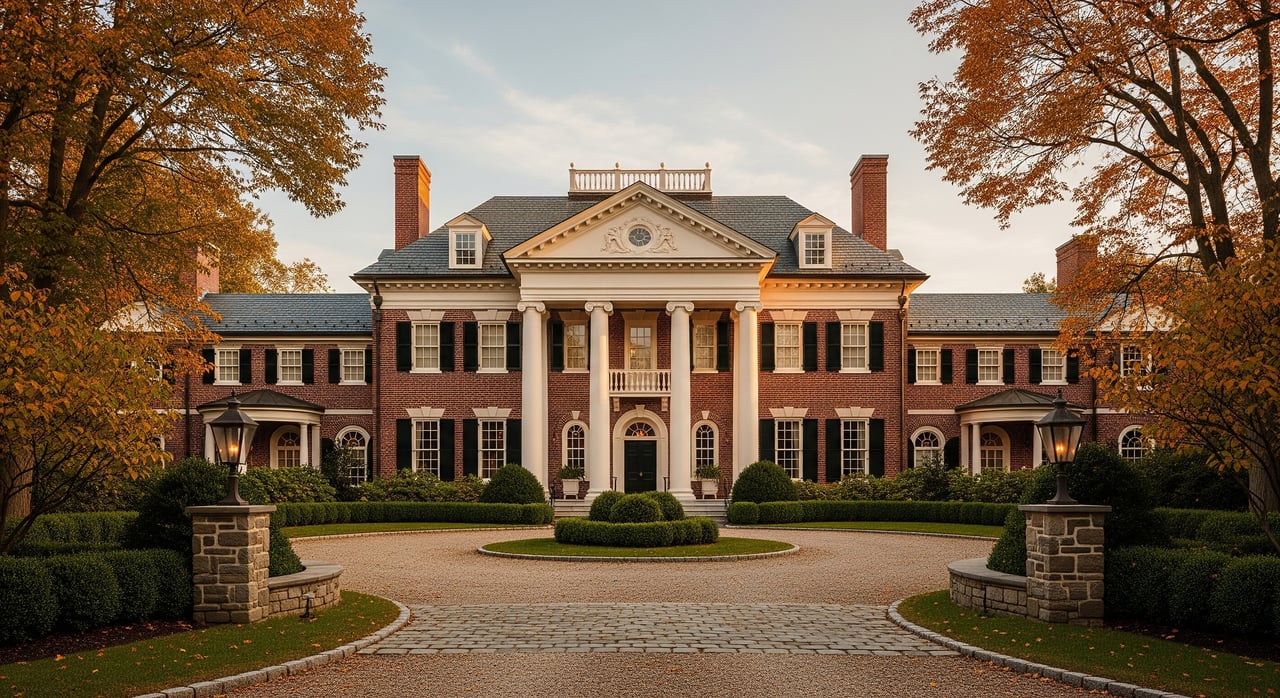
Chestnut Hill Luxury Homes: What Makes Them Exceptional
Is “luxury” in Chestnut Hill just about price, or is there more to it? If you are sizing up a sale or searching for your next home, you already know this neighborhood feels different. The homes, the setting, and even the municipal lines shape what buyers value and how properties are priced. In this guide, you’ll learn the hallmarks of Chestnut Hill luxury, how location factors into value, and what steps help you sell with confidence. Let’s dive in.
In Chestnut Hill, luxury is relative to the local market. It typically describes the top tier of homes by price and quality within the neighborhood. It often combines larger lots and homes, premium finishes, a prestigious setting, and turnkey condition.
Because Chestnut Hill spans Brookline, Newton, and a small portion of Boston, the definition can shift by municipal segment. Buyers compare features, taxes, and services across the town or city line, so it is important to anchor your expectations to the specific location of the property.
Luxury homes here tend to sit on larger lots with privacy and mature landscaping. You will often see long setbacks, private driveways, and multi‑car garages. Outdoor living is a priority, with terraces, patios, and well‑designed gardens. Homes with hillside or reservoir views, or with flexible spaces like a guest or carriage house where permitted, stand out.
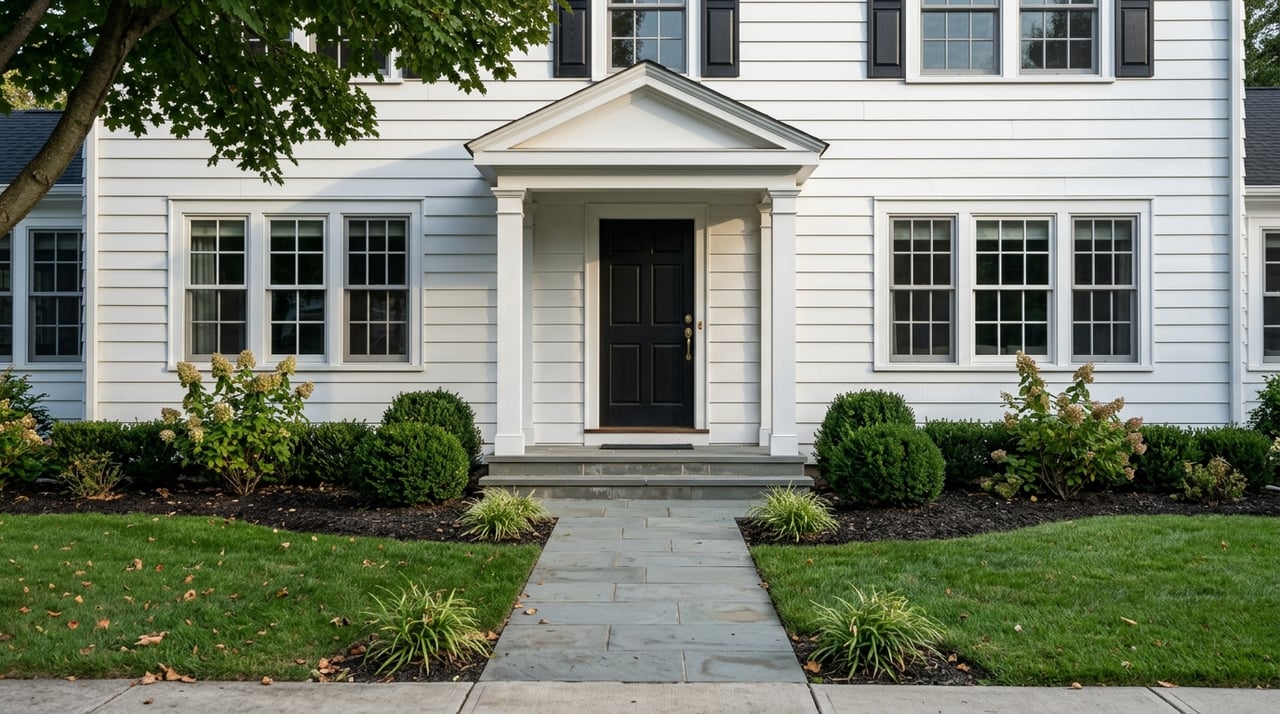
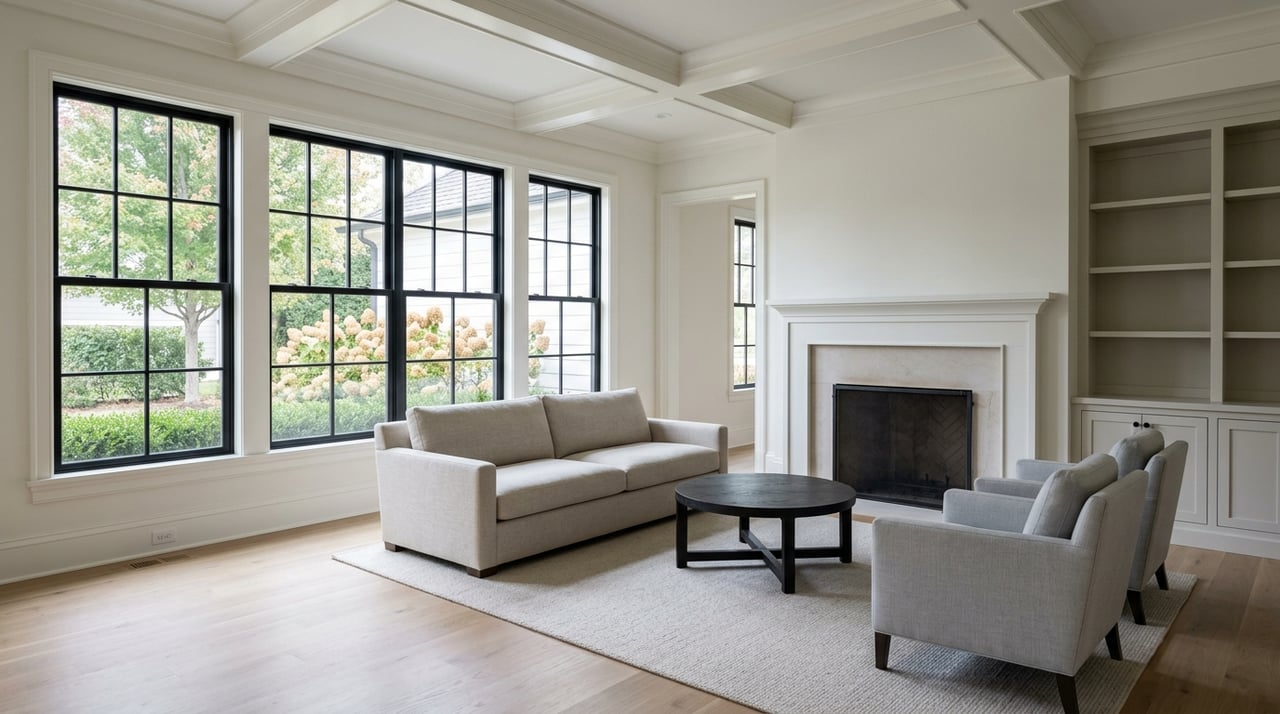
Chestnut Hill’s high‑end inventory includes classic Colonial Revival, Tudor, Georgian, and Victorian homes, along with custom new construction and thoughtfully renovated properties. Historic details such as millwork, fireplaces, and original trim can command a premium when they are paired with modern systems. Buyers expect the charm to remain while mechanicals, kitchens, and baths meet today’s standards.
Luxury interiors typically exceed the area’s average square footage and offer multiple living zones. Think formal living and dining rooms alongside family or media spaces, finished lower levels, and sizable primary suites. Premium amenities include chef’s kitchens with custom cabinetry and high‑end appliances, large islands, spa‑style primary baths, mudrooms, dedicated offices, wine rooms, and sometimes elevators in multi‑story homes. Buyers also expect efficient HVAC, updated electrical and plumbing, and soundproofed or waterproofed lower levels.
In this tier, turnkey condition is the baseline. Sellers who present newly updated kitchens and primary baths, refinished floors, fresh paint, and well‑maintained systems meet buyer expectations. Renovations commonly use premium materials like natural stone, hardwood millwork, imported tile, integrated appliances, and designer lighting. Documentation matters. Buyers favor homes with permits, warranties, and contractor records that reduce perceived risk.
Proximity to Chestnut Hill’s retail and dining—especially The Street and surrounding commercial corridors—is a significant value driver. Walkability or a short, convenient drive to shopping, restaurants, and services supports higher prices because it enhances daily life.
The Chestnut Hill Reservoir, nearby parks, and recreational paths add lifestyle value for many buyers. Homes that offer easy access to green space, or views that capture water or treetops, often see stronger demand. Playgrounds, walking loops, and green belts appeal to both families and active buyers.
Access to MBTA light rail and commuter routes, along with straightforward road connections into Boston and the western suburbs, influences pricing. Convenience and parking are part of the equation. In a neighborhood as segmented as Chestnut Hill, small differences in commute time or transit access can affect how buyers compare homes.
Strong public and private school options in Brookline and Newton, plus proximity to institutional anchors like Boston College, are meaningful for move‑up families and relocating professionals. Because school district lines differ by municipality, it helps to highlight school options specific to the property’s location.
Luxury pricing depends on the right comparables. You should look at recent closed sales that align in municipal segment, lot size, house size, age, condition, and amenity level. Adjustments for completed lower levels, a pool, or a true chef’s kitchen are common. Because Chestnut Hill crosses town lines, comps from Brookline, Newton, and Boston are not interchangeable without careful adjustments.
At the upper end, carrying costs—taxes, insurance, utilities, and maintenance—are material. If you are deciding between renovating or pricing as‑is, weigh the expected price lift and time‑to‑sell against these ongoing costs. Checking with the local assessor about tax rates and potential implications of additions or major renovations is a smart step before you commit to a plan.
Start by organizing permits, contractor invoices, warranties, and any recent inspections. Consider a pre‑listing inspection to address issues that could disrupt a deal. Provide accurate floor plans and room dimensions to give buyers confidence and help them plan.
Professional photography, including twilight and drone shots, is standard for luxury. Floor plans and immersive virtual tours help relocation buyers engage quickly and reduce friction when scheduling in‑person showings. The goal is to showcase architecture, site, and flow as clearly as possible.
MLS syndication is the foundation, but high‑end listings benefit from targeted luxury networks, curated broker opens, and private showings for qualified buyers. Narrative marketing that highlights the property’s lifestyle—school options, reservoir access, proximity to The Street, and architectural pedigree—helps the home stand out.
Expect thorough due diligence from luxury buyers. Longer inspection periods, specialized evaluations, and document requests are common. A conservative pricing strategy that leaves room for negotiation can protect momentum while avoiding the stigma of an overpriced listing.
Because Chestnut Hill spans three municipalities, buyers and sellers should be clear about the property’s location and how it affects value:
Taxes, schools, and permitting vary by municipality. These differences shape buyer preferences and price expectations, so your strategy should reflect the specific segment.
If you are preparing a Chestnut Hill luxury listing, focus on turnkey presentation, documentation, and a pricing strategy grounded in municipal‑specific comps. Accredited staging, premium visuals, and targeted outreach will help you capture the market’s attention and protect your timeline.
For hands‑on guidance—from pre‑market planning and contractor coordination to high‑impact marketing and negotiation—connect with Valerie Wastcoat. Request a complimentary home valuation and a tailored plan for your Chestnut Hill property.
If you’re looking for a dynamic approach to real estate from a top-performing, knowledgeable agent who truly goes above and beyond for clients, look no further. I will work side by side with you, navigating current market conditions and guiding you every step of the way.